A Comprehensive Guide to Backflow Valve Compliance in Texas
Understanding Backflow Valves
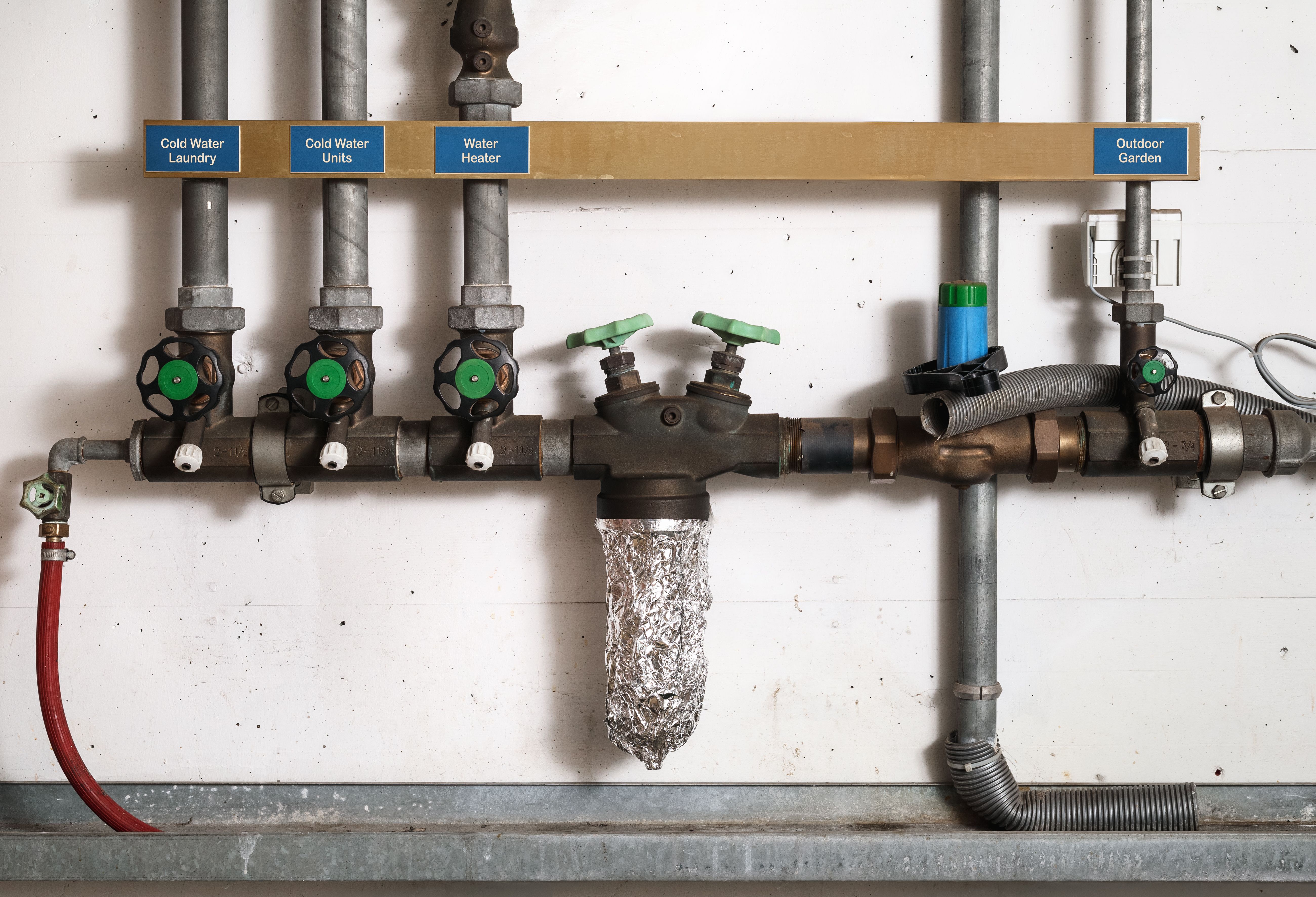
Backflow valves are critical components in ensuring that water supply systems remain safe and uncontaminated. These devices prevent the reverse flow of water, which can introduce contaminants into the clean water supply. In Texas, compliance with backflow valve regulations is essential for both residential and commercial properties.
Backflow can occur due to changes in water pressure, which might happen during events like a burst pipe or mainline break. This makes the installation and maintenance of backflow prevention devices crucial for safeguarding public health.
Texas Regulations and Compliance
In Texas, backflow prevention is regulated by state and local authorities. Compliance involves adhering to standards set by the Texas Commission on Environmental Quality (TCEQ) and other local agencies. These regulations are designed to protect drinking water systems from contamination.
Property owners are responsible for ensuring that their backflow prevention devices are installed correctly and tested regularly. Non-compliance can result in fines and potential health risks to the community.

Installation Requirements
The installation of backflow prevention devices must be performed by a licensed professional. This ensures that the equipment is correctly fitted and meets all regulatory standards. In Texas, specific types of backflow preventers are required based on the level of hazard they address.
- Atmospheric Vacuum Breakers (AVB)
- Pressure Vacuum Breakers (PVB)
- Double Check Valve Assemblies (DCVA)
- Reduced Pressure Zone Devices (RPZ)
Testing and Maintenance
Regular testing and maintenance of backflow valves are mandatory in Texas. These tests must be conducted annually by a certified backflow tester to ensure that the devices are functioning correctly. Test reports should be submitted to the local water authority as proof of compliance.
If a device fails a test, immediate repair or replacement is required. Proper maintenance not only ensures compliance but also extends the lifespan of the equipment.

Record Keeping and Documentation
Maintaining accurate records of backflow prevention testing and maintenance is crucial. Documentation should include the date of installation, test results, and any repairs or replacements performed. This information is vital during inspections and audits conducted by regulatory authorities.
- Keep copies of all test reports.
- Document any repairs or replacements.
- Store records in an easily accessible location.
Common Challenges and Solutions
Many property owners face challenges in maintaining backflow compliance. Common issues include neglecting regular testing, using incorrect devices, and failing to keep proper documentation. Solutions involve hiring knowledgeable professionals and staying informed about local regulations.
Being proactive in addressing these challenges can prevent potential health hazards and ensure compliance with Texas regulations.

In conclusion, understanding and complying with backflow valve regulations in Texas is essential for protecting water quality and public health. By following the guidelines outlined above, property owners can ensure that they meet all necessary requirements and contribute to a safe community water supply.