Common Backflow Prevention Myths Debunked for Granbury Residents
Understanding Backflow Prevention
Backflow prevention is an essential part of maintaining a safe and clean water supply. Unfortunately, several myths and misconceptions can lead to misunderstandings about how these systems work. For Granbury residents, it's crucial to debunk these myths to ensure the safety and efficiency of their water systems.
Myth 1: Backflow Prevention Is Only for Commercial Properties
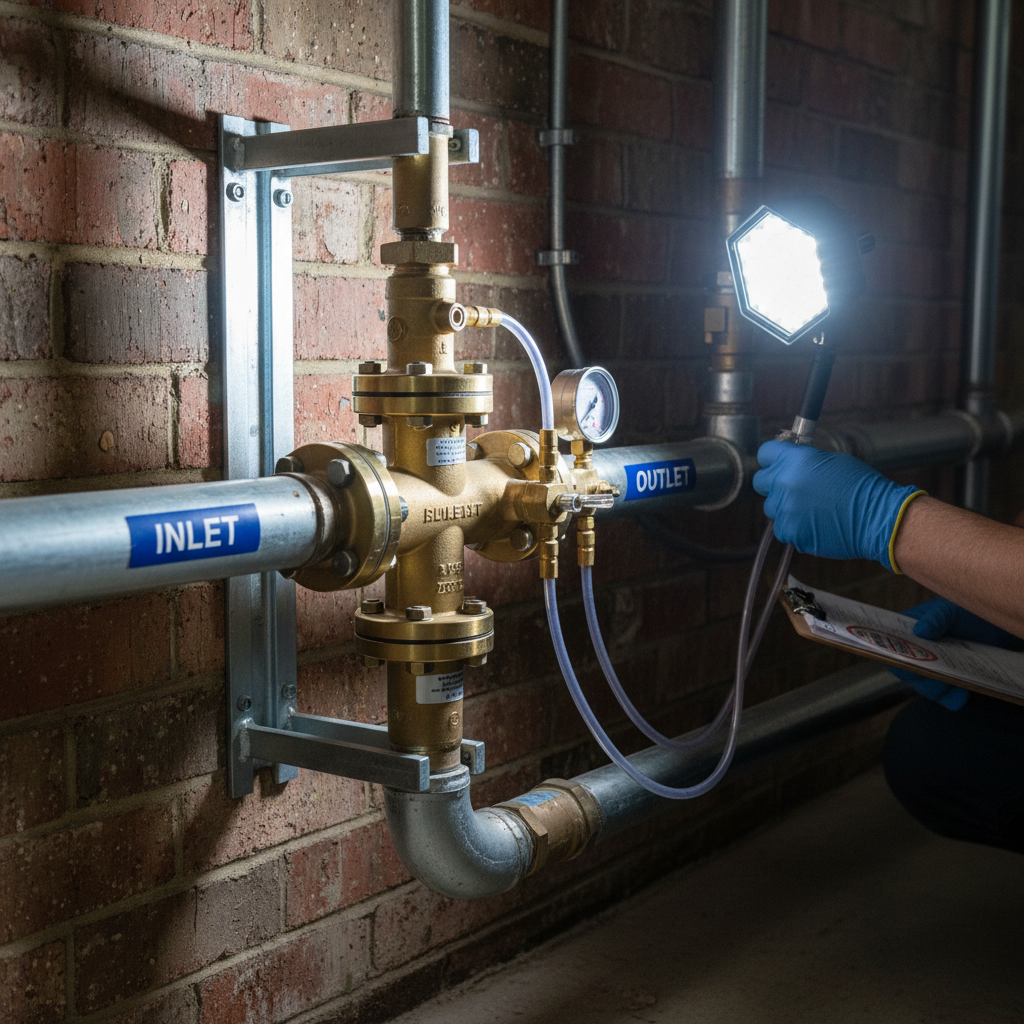
One common myth is that backflow prevention is only necessary for commercial properties. In reality, backflow devices are essential for both residential and commercial properties. Any property connected to the public water supply can experience backflow, which can contaminate the water supply with harmful substances.
Myth 2: Backflow Devices Require No Maintenance
Another misconception is that once a backflow device is installed, it requires no further attention. On the contrary, regular maintenance and testing are crucial to ensure these devices function correctly. Without proper maintenance, backflow devices can fail, leading to potential contamination of the water supply.

The Importance of Regular Inspections
Regular inspections by certified professionals are critical for maintaining the efficacy of backflow prevention devices. These inspections can identify potential issues before they become significant problems, ensuring that the water supply remains safe and clean.
Myth 3: Installing a Backflow Device Is a DIY Project
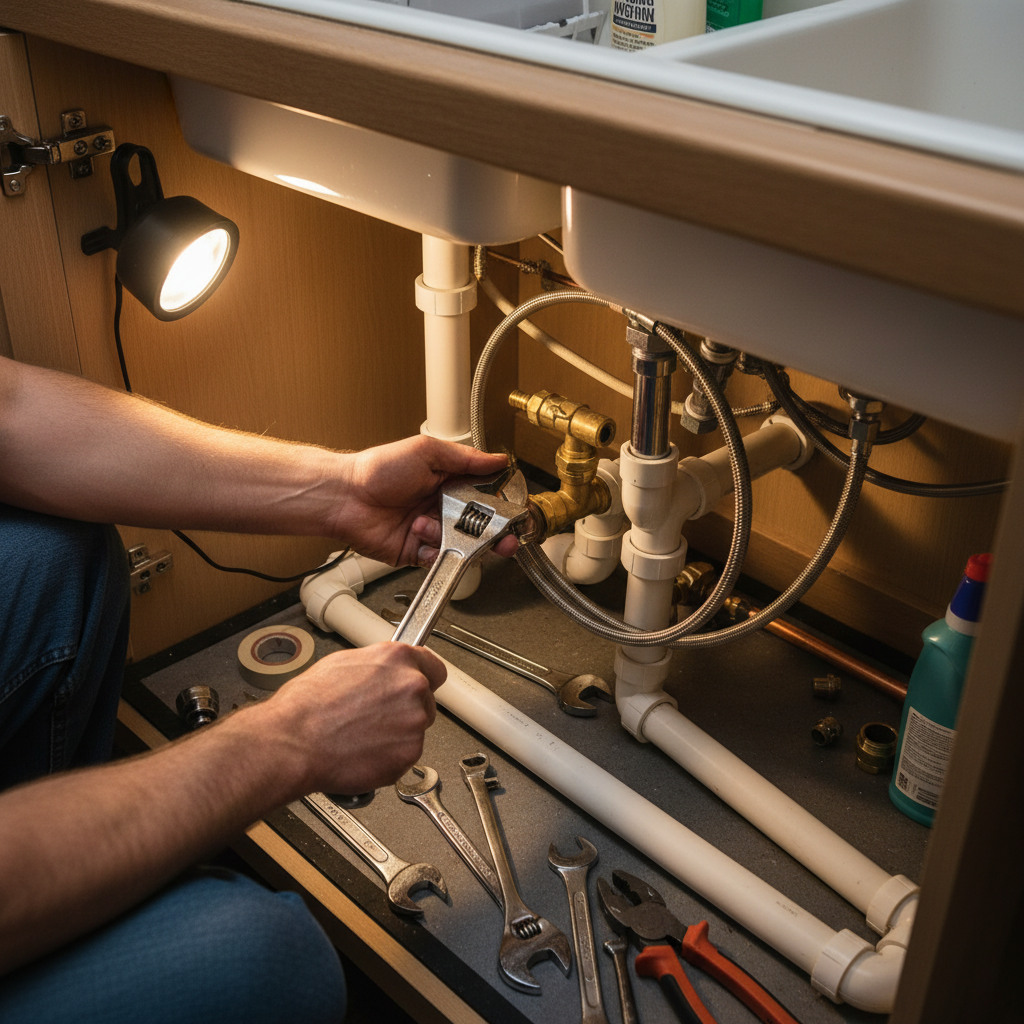
Some homeowners might believe that installing a backflow prevention device is a simple DIY project. However, proper installation requires expertise and knowledge of plumbing systems. Hiring a licensed professional ensures that the device is installed correctly and complies with local regulations.
Myth 4: Backflow Prevention Is Too Expensive
Cost concerns can deter some residents from investing in backflow prevention. However, the cost of a backflow device is minimal compared to the potential expenses associated with water contamination and damage. Investing in backflow prevention is a safeguard for both health and property.
Conclusion
By dispelling these common myths, Granbury residents can better understand the importance of backflow prevention. Ensuring proper installation, maintenance, and inspection of backflow devices is key to protecting our water supply and ensuring the safety of our community.