Common Issues Found During a Backflow Test and How to Fix Them
Understanding Backflow Testing
Backflow testing is a crucial process for ensuring that your water supply remains clean and free from contaminants. It involves checking your plumbing system to prevent the reverse flow of water, which can introduce harmful substances into your drinking supply. Regular testing helps maintain the integrity of your water system and adheres to local regulations.
Common Issues Found During Backflow Tests
Faulty Valves
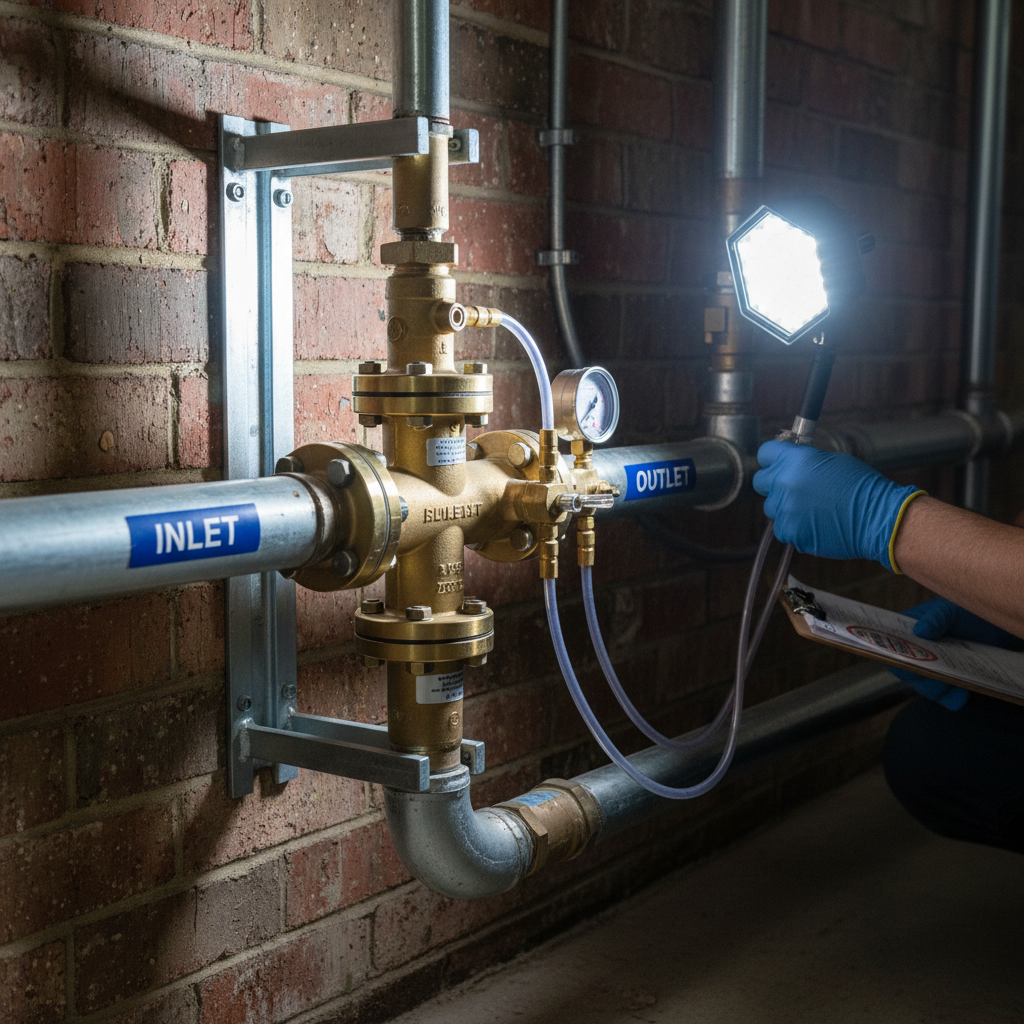
One of the most common issues discovered during a backflow test is faulty valves. These valves, which are designed to control the flow of water, can become worn or damaged over time. When they fail, they can allow contaminated water to flow back into the clean water supply.
To fix faulty valves, a professional plumber will typically replace the damaged components. Regular maintenance and inspections can help prevent these issues from occurring in the first place.
Pressure Problems
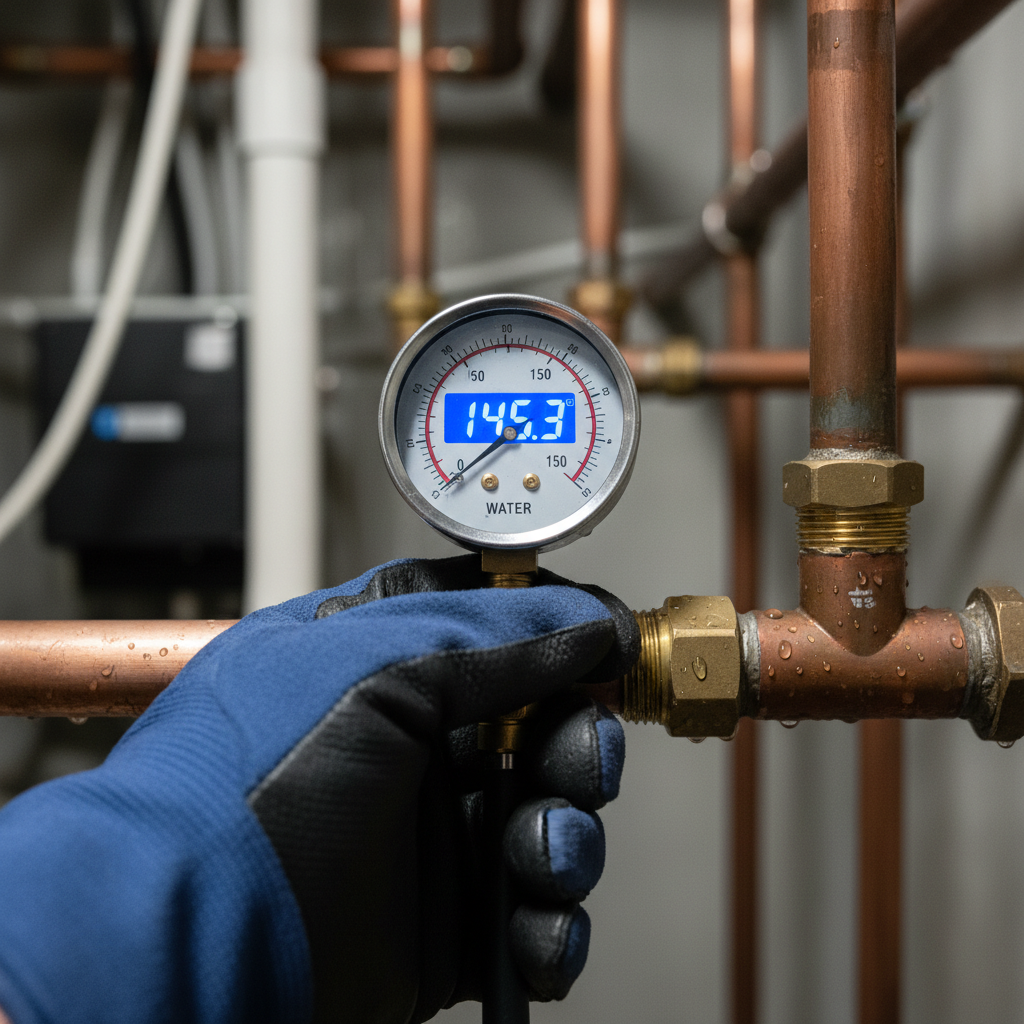
Another frequent issue is improper water pressure. The backflow prevention system relies on a balance between incoming and outgoing water pressure. If this balance is disrupted, it can lead to backflow. Low water pressure can be caused by leaks, blockages, or issues with the municipal water supply.
Addressing pressure problems might involve repairing leaks, cleaning blockages, or installing pressure-regulating devices. Ensuring consistent maintenance can help maintain optimal pressure levels.
Mechanical Failures
Wear and Tear
Mechanical components within the backflow prevention system can suffer from wear and tear, especially in older systems. Springs, seals, and other parts may degrade, leading to system failures.
Regular inspections and timely replacement of worn parts are essential. This proactive approach can prevent larger, more costly repairs down the road.
Corrosion
Corrosion is a natural process that affects metal components over time, particularly in systems exposed to moisture. Corroded parts can compromise the backflow prevention system's efficiency.
To fix corrosion issues, it may be necessary to replace affected parts with corrosion-resistant materials. Regular inspections can help identify corrosion early, allowing for timely intervention.
Steps for Ensuring Effective Backflow Prevention
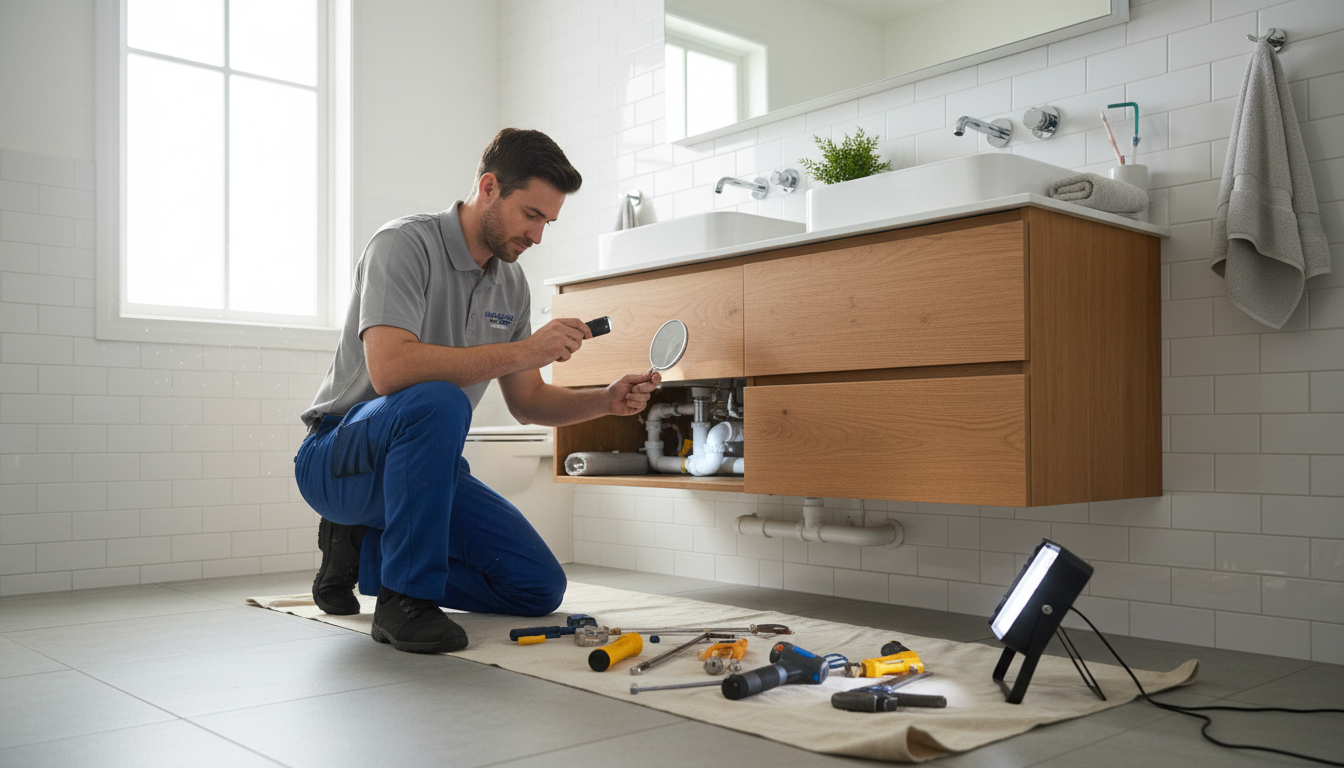
Maintaining a functional backflow prevention system involves several steps:
- Regular Inspections: Schedule routine checks to identify potential issues before they become serious problems.
- Professional Maintenance: Hire certified plumbers to perform maintenance and repairs as needed.
- Stay Informed: Keep up with local regulations and best practices for backflow prevention.
By following these steps, you can ensure that your water supply remains safe and compliant with health standards.