Common Misconceptions About Backflow Prevention and Testing
Understanding Backflow Prevention
Backflow prevention is a critical component in maintaining the safety and quality of our water supply. However, there are several common misconceptions that can lead to misunderstandings about its importance and implementation. By dispelling these myths, we can better appreciate the role of backflow prevention systems in protecting public health.
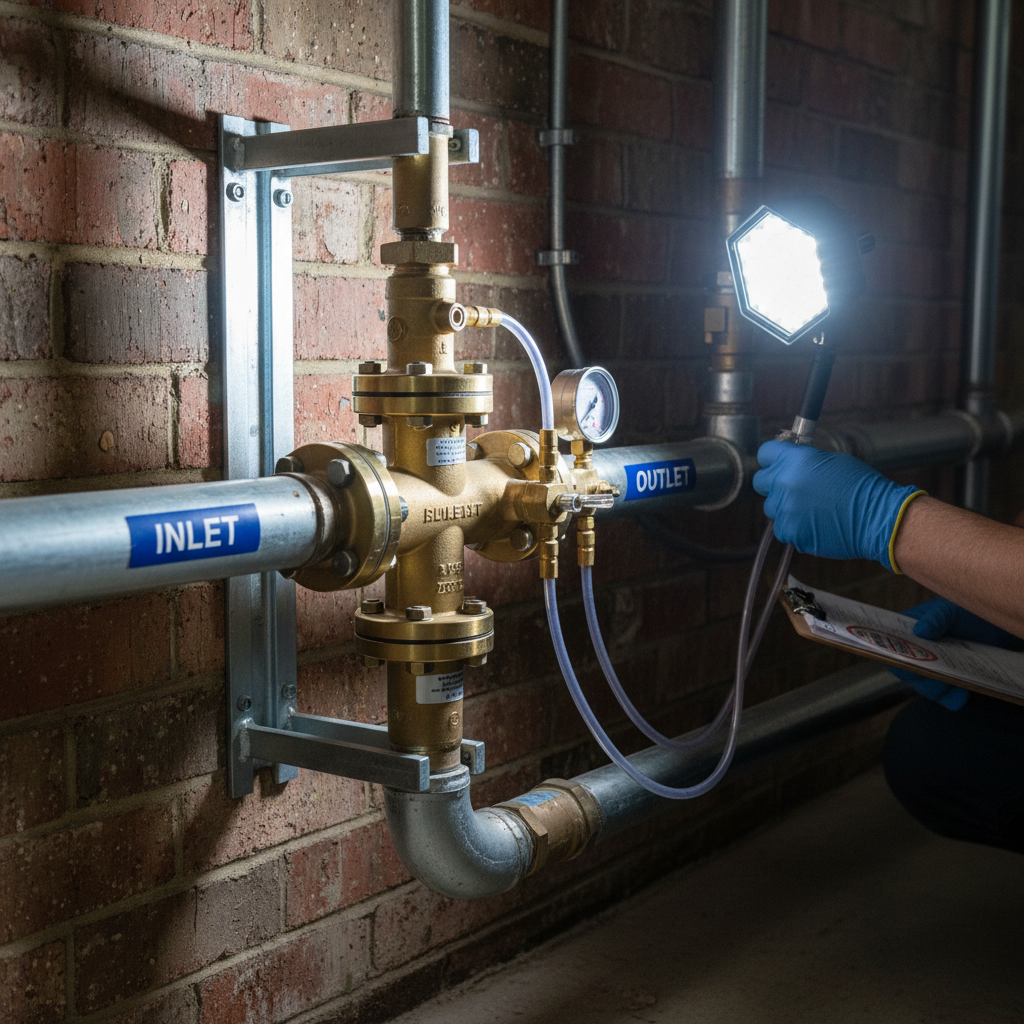
Misconception 1: Backflow Prevention is Only Necessary for Large Facilities
Many people believe that backflow prevention is only essential for large industrial or commercial facilities. In reality, backflow can occur in any plumbing system, regardless of its size. Residential homes are just as susceptible to backflow, which can lead to contamination of the drinking water supply if not properly managed.
Testing and Maintenance
Another prevalent misconception is that backflow prevention devices do not require regular testing or maintenance. In fact, these systems must be tested annually to ensure they are functioning correctly. Neglecting this can result in device failure and potential water contamination.

Misconception 2: Backflow Testing is Complicated and Expensive
Some homeowners and facility managers shy away from backflow testing, assuming it to be a complex and costly process. However, backflow testing is relatively straightforward and usually involves a certified professional inspecting the device to ensure its proper operation. The cost is often minimal compared to the potential expenses of dealing with contaminated water.
The Role of Professionals
It's a common belief that any plumber can handle backflow prevention and testing. While many plumbers are capable, it's essential to hire certified backflow prevention specialists who have the expertise and training specific to these systems. This ensures that the prevention devices are correctly installed and maintained.
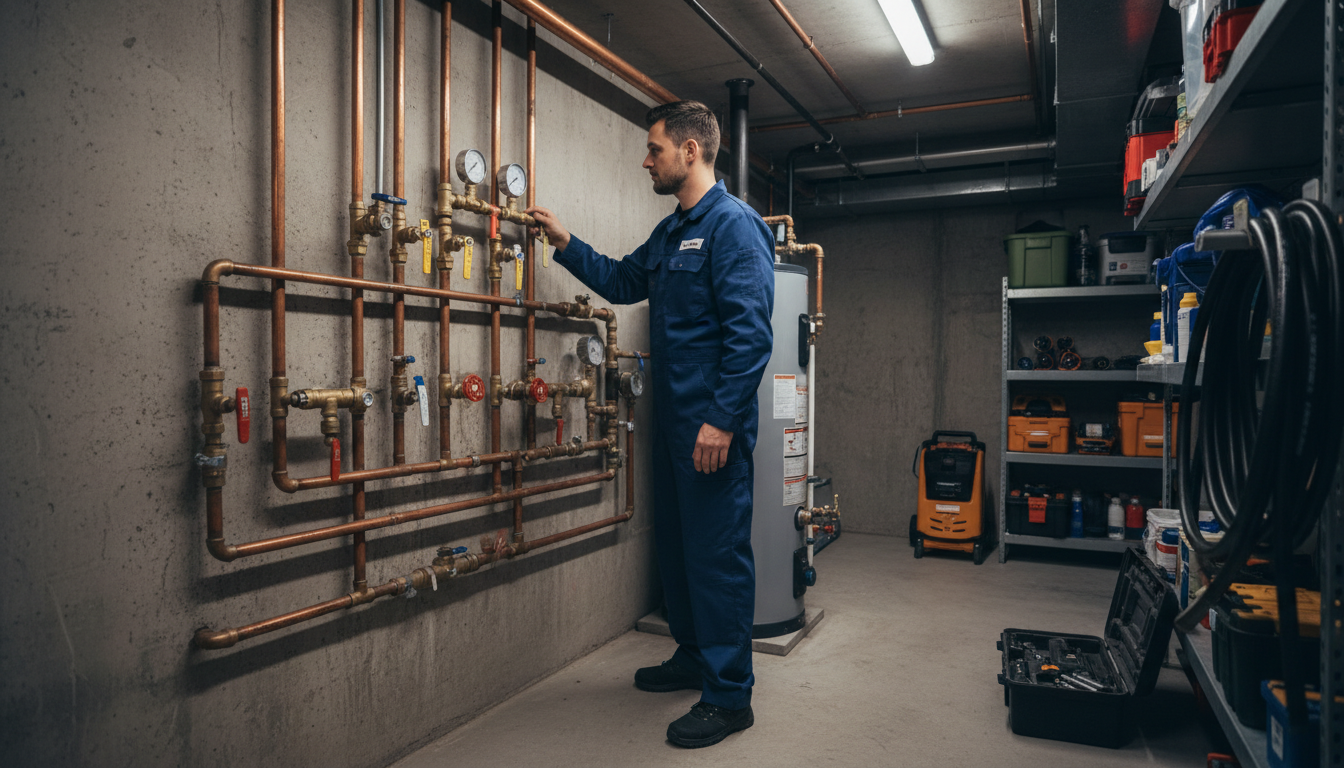
Misconception 3: Backflow Devices Last Forever
Like any mechanical device, backflow prevention assemblies have a lifespan and will eventually need replacement. Regular testing helps identify when a device is nearing the end of its life, allowing for proactive replacement before failure occurs. Ignoring this can lead to unexpected issues and potential health risks.
Conclusion
Understanding the realities of backflow prevention and testing is crucial for maintaining a safe and reliable water supply. By addressing these common misconceptions, we can ensure that our water systems are properly protected and continue to provide safe drinking water for everyone.