Debunking Common Myths About Backflow Testing and Compliance
Understanding Backflow Testing
Backflow testing is an essential process in maintaining the safety of our drinking water. Despite its importance, there are several myths surrounding this practice that can lead to confusion and misinformation. In this blog post, we aim to debunk some of these common myths and provide a clearer understanding of backflow testing and compliance.
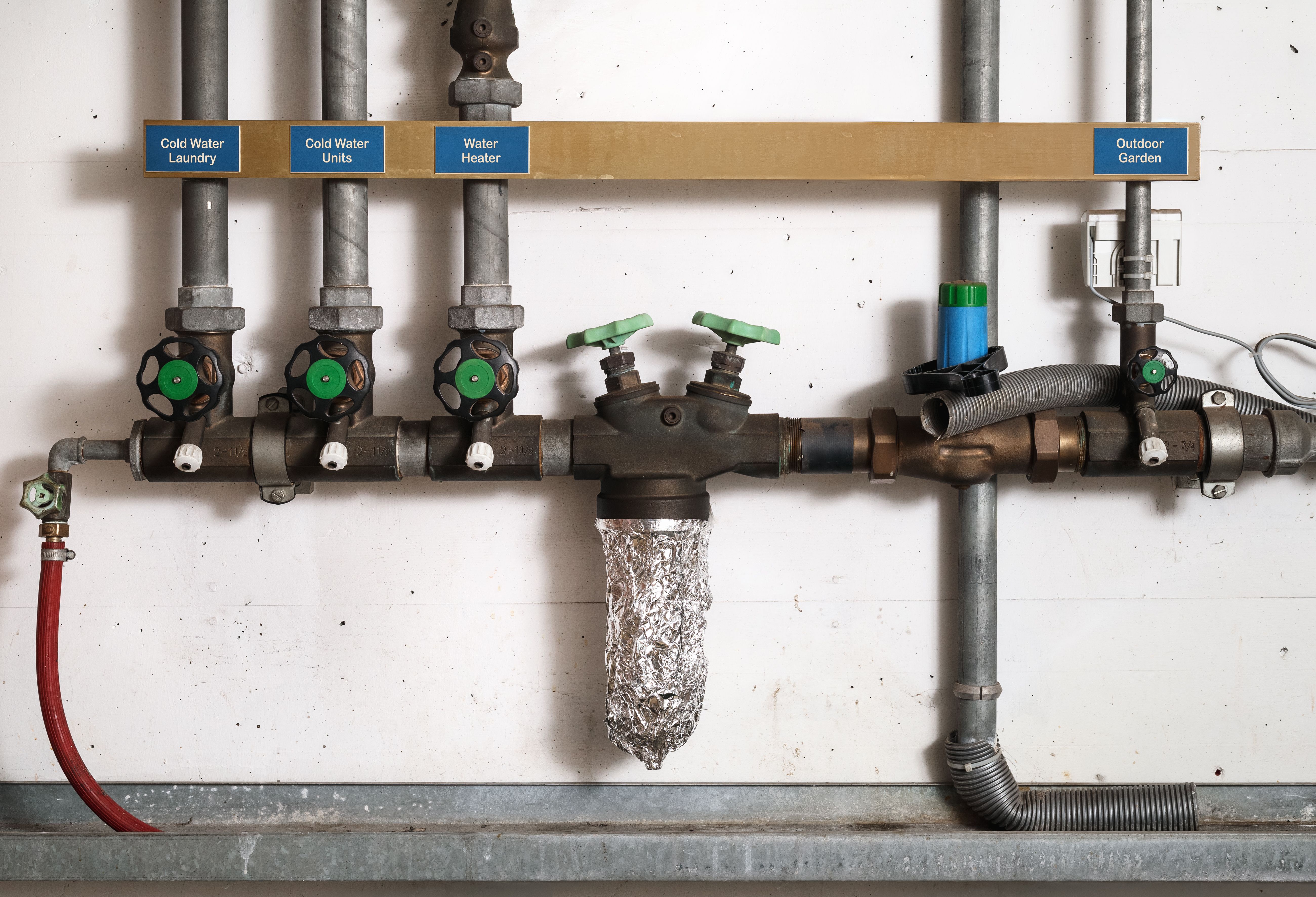
Myth 1: Backflow Testing is Unnecessary
One of the most pervasive myths is that backflow testing is unnecessary. Some people believe that their plumbing systems are immune to backflow incidents. However, backflow can occur in any system, potentially contaminating clean water with harmful substances. Regular testing ensures that backflow preventers are functioning correctly, safeguarding your water supply.
Myth 2: It's Too Expensive
Another common misconception is that backflow testing is prohibitively expensive. While there is a cost associated with testing, it is a small price to pay compared to the potential cost of a contaminated water supply. Investing in regular testing can prevent expensive repairs and health risks down the line.

Myth 3: Only Businesses Need Testing
Many believe that backflow testing is only necessary for commercial properties. In reality, both residential and commercial properties can benefit from regular testing. Backflow prevention is crucial in any setting where the risk of contamination exists, ensuring the safety of everyone who uses the water supply.
The Importance of Compliance
Compliance with backflow testing regulations is not just a legal requirement; it is a critical step in protecting public health. Authorities establish these regulations to prevent waterborne diseases and ensure a safe drinking water supply.

How Compliance Works
Compliance involves following local regulations regarding the frequency and methods of backflow testing. Property owners must ensure that testing is conducted by certified professionals who understand the intricacies of backflow prevention systems. Staying compliant helps avoid fines and enhances community health.
Benefits of Regular Testing
- Health Protection: Regular testing prevents contaminants from entering the water supply.
- System Efficiency: Ensures that devices are working correctly, reducing the risk of system failure.
- Peace of Mind: Knowing that your water supply is safe can provide significant reassurance.
Conclusion
Debunking these myths is crucial for understanding the importance of backflow testing and compliance. By recognizing the necessity, affordability, and universal application of these practices, property owners can better protect their water supply and contribute to broader public health efforts.