DIY Backflow Testing: What You Need to Know Before You Start
Backflow testing is an essential process that ensures your drinking water remains uncontaminated by reversing flows from non-potable sources. While professional testing is recommended, some homeowners opt for a DIY approach. Here’s what you need to know before you start.
Understanding Backflow and Its Risks
Backflow occurs when water flows in the opposite direction, potentially contaminating your clean water supply with harmful substances. This can happen due to changes in pressure within the plumbing system. Understanding these risks highlights the importance of regular testing.
Contaminated water can lead to serious health issues, including gastrointestinal illnesses and other infections. Ensuring your backflow prevention devices are functional is crucial to maintaining a safe water supply.
Essential Tools and Equipment
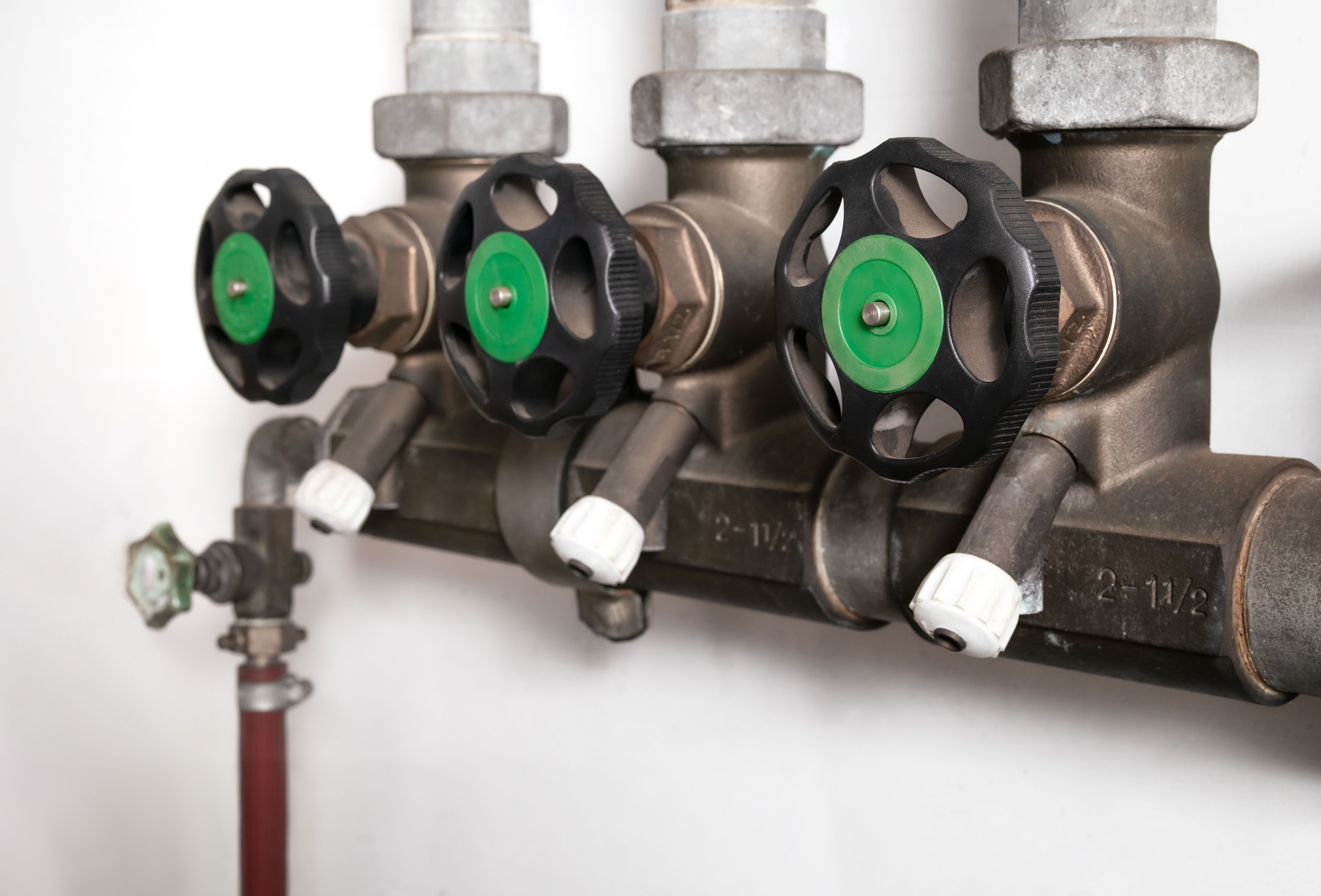
Before you begin, gather the necessary tools. You’ll need a backflow testing kit, which typically includes pressure gauges and valves. These kits are available for purchase online or at local hardware stores.
Additionally, ensure you have basic plumbing tools such as wrenches and screwdrivers. A reliable instruction manual or guide specific to your backflow prevention device is also essential for accurate testing.
Types of Backflow Preventers
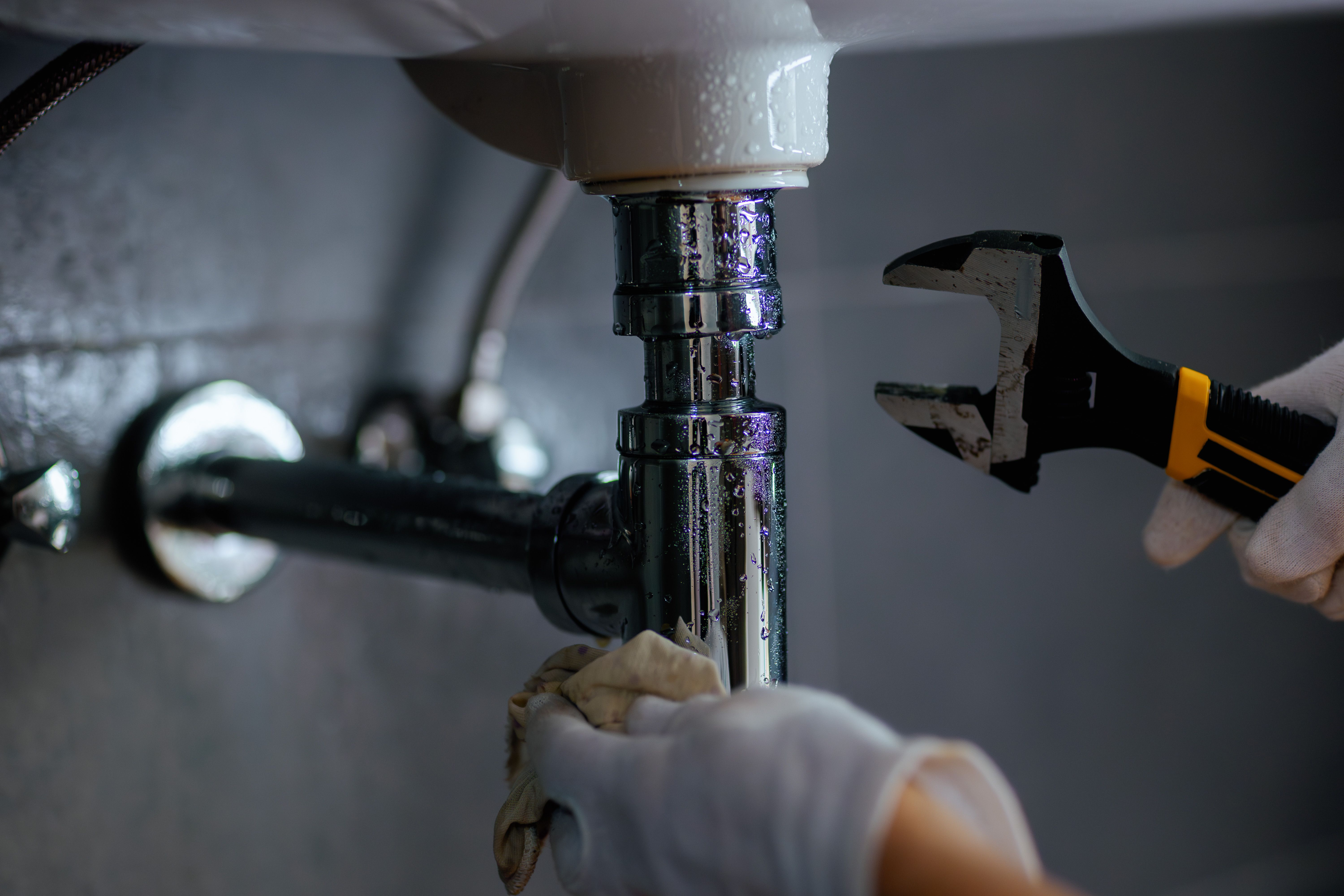
Different systems may use various types of backflow preventers, including Reduced Pressure Zone (RPZ) assemblies, Double Check Valve assemblies, and Pressure Vacuum Breakers (PVB). Each type requires a specific testing method.
Understanding your system's specific backflow preventer will determine the correct testing procedure and ensure accurate results.
Step-by-Step Testing Process
Testing your backflow prevention device involves several steps. First, identify the location of the device and ensure it is accessible. Close the shut-off valves to isolate the system.
- Connect the test kit to the device following the manufacturer's instructions.
- Open the test cocks and observe the gauge readings to check for pressure changes.
- Record the results to compare with the acceptable range specified in your device’s manual.
Interpreting Results and Taking Action
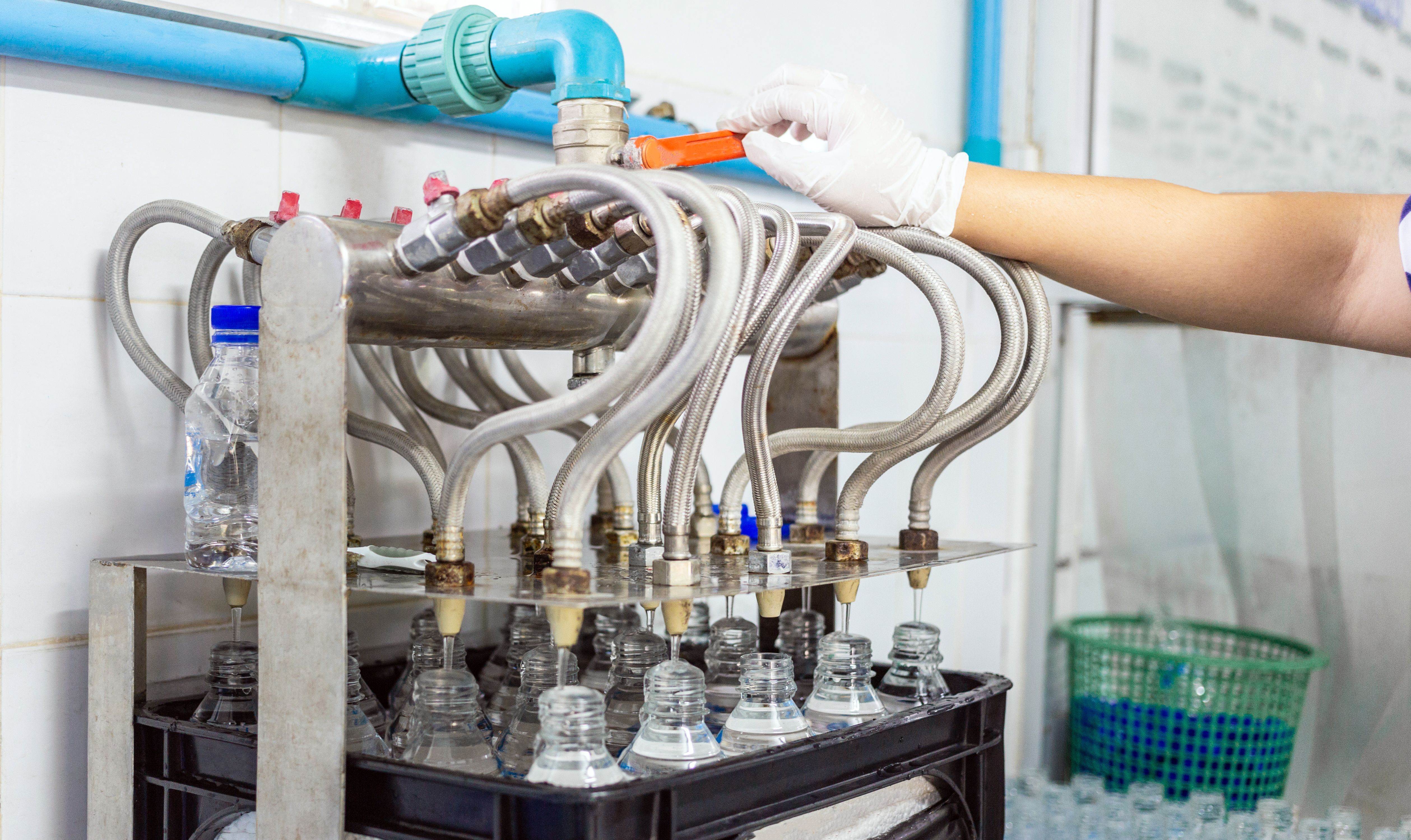
If your test results indicate a problem, it may be necessary to repair or replace the backflow preventer. Common issues include leaks or inadequate pressure levels.
Consult a professional if you encounter complex issues or if you are uncertain about the results. They can provide expert advice and ensure your system is functioning properly.
Maintenance Tips
Regular maintenance is key to preventing backflow issues. Schedule annual inspections to ensure your backflow prevention devices are in good condition.
- Check for visible signs of wear or damage.
- Ensure all connections are secure and free of leaks.
- Keep a record of all tests and maintenance activities.
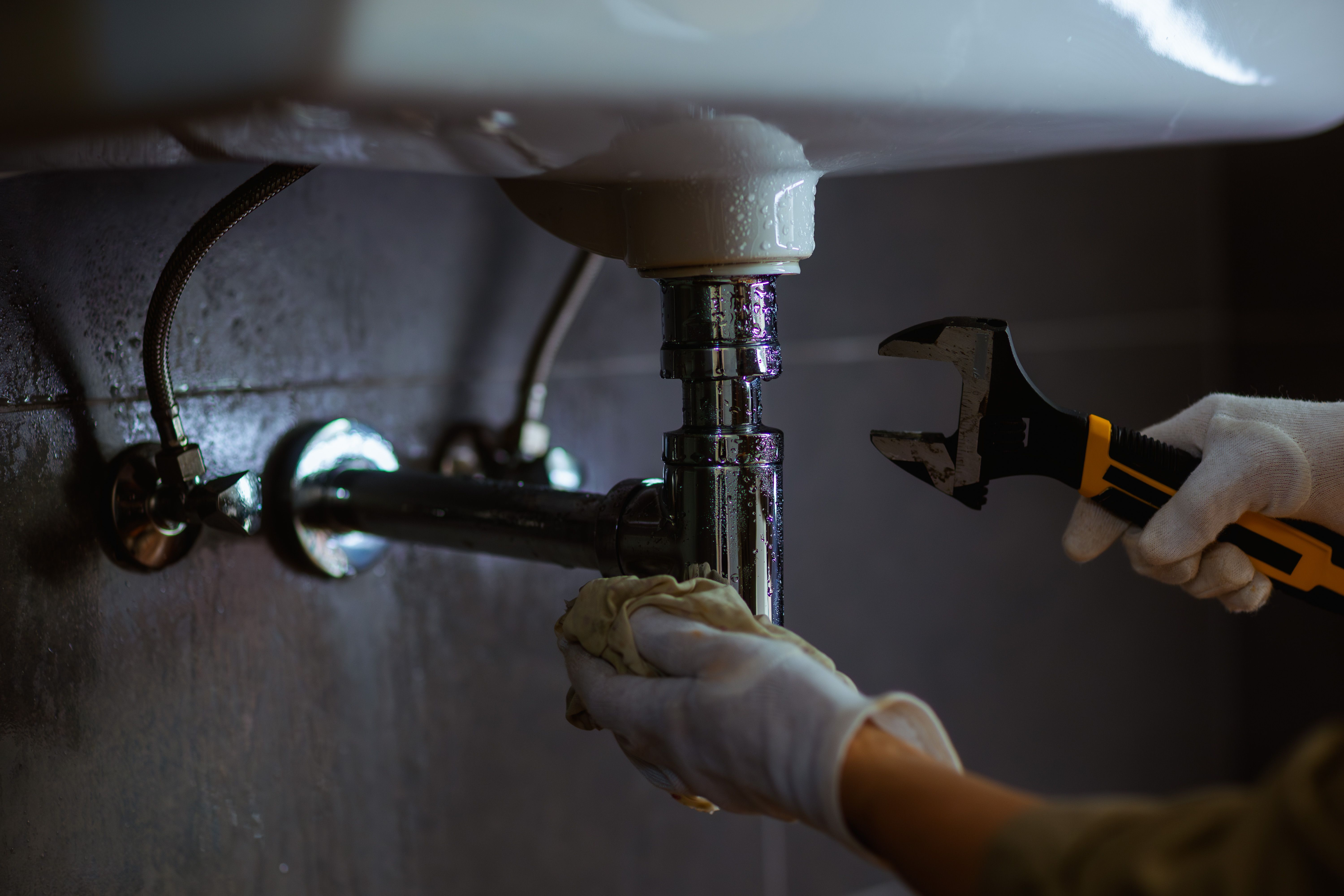
By understanding the basics of DIY backflow testing and taking proactive measures, you can help maintain a safe and uncontaminated water supply for your home. Remember, when in doubt, it’s always best to consult a professional to ensure your water system is properly protected.