Expert Advice: Common Backflow Prevention Misconceptions Debunked
Understanding Backflow Prevention
Backflow prevention is crucial for maintaining safe and clean water supplies. Yet, despite its importance, there are numerous misconceptions about how it works and why it's necessary. In this post, we'll debunk some common myths surrounding backflow prevention to provide clearer insights into its role in water safety.
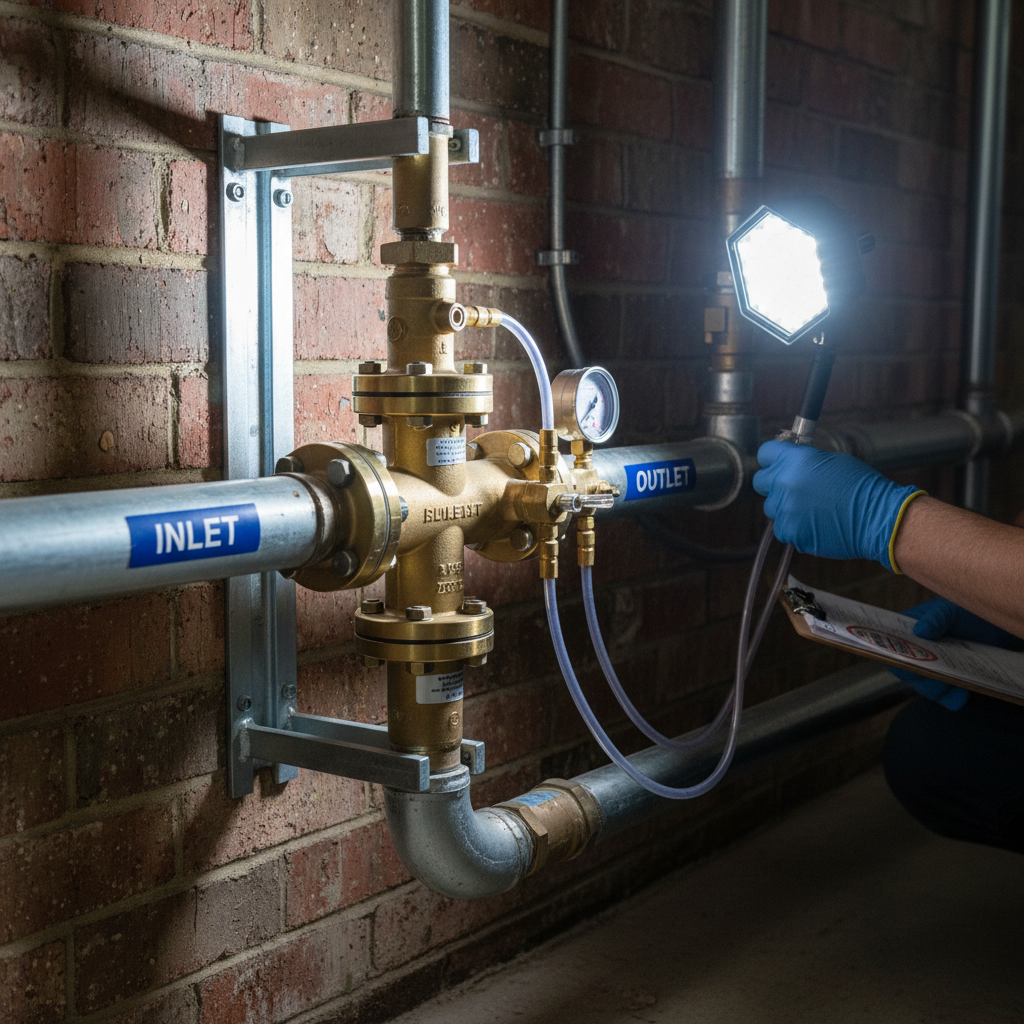
Myth: Backflow Prevention Is Only Necessary for Large Buildings
One prevalent misconception is that only large commercial buildings require backflow prevention devices. In reality, any property connected to a public water system can benefit from these devices. Even small residential homes can experience backflow issues, which can lead to contamination of the entire water supply.
Backflow can occur when there's a sudden change in water pressure, causing water to flow backward into the supply line. This can introduce harmful pollutants and contaminants, making backflow prevention critical for all properties.
Myth: All Backflow Devices Are the Same
Another common misunderstanding is that all backflow prevention devices serve the same purpose and function identically. However, there are different types of devices, each designed for specific situations and levels of hazard. For instance, a reduced pressure zone (RPZ) device is typically used for high-hazard applications, while a double-check valve assembly might suffice for lower-risk scenarios.
Myth: Backflow Prevention Maintenance Is Unnecessary
Some believe that once a backflow prevention device is installed, it requires no further attention. This is a dangerous misconception. Regular maintenance and testing are crucial to ensure that the device is functioning correctly. Without proper upkeep, a malfunctioning device can fail to prevent backflow, compromising water safety.
Annual testing by a certified professional is often recommended, and in some areas, it is even mandated by law. Regular inspections help detect any issues early, preventing costly repairs or contamination events.
Myth: Backflow Prevention Is Too Expensive
The perception that backflow prevention is prohibitively expensive deters some property owners from investing in these devices. While there is an initial cost for installation and maintenance, the potential costs of water contamination—both financial and health-related—far outweigh this investment. Protecting your water supply is an essential measure that safeguards public health and can prevent legal liabilities.
In many cases, local governments offer incentives or rebates to offset some of these costs, making it more accessible for property owners.
The Importance of Education
Addressing misconceptions about backflow prevention begins with education. By understanding the true role and necessity of these devices, property owners can make informed decisions that protect their water supply and community health. As awareness grows, so does the commitment to maintaining safe and reliable water systems.