Expert Tips for Backflow Prevention: Protecting Your Water Supply
Understanding Backflow and Its Risks
Backflow is a plumbing issue where contaminated water flows in the reverse direction, potentially entering the clean water supply. This can pose serious health risks, as pollutants and bacteria from various sources can mix with potable water. Understanding the risks associated with backflow is essential for maintaining a safe water supply.
Why Backflow Prevention Is Essential
Preventing backflow is crucial for ensuring that drinking water remains clean and safe. It safeguards public health and helps avoid costly contamination incidents. Implementing effective backflow prevention measures not only protects individuals but also preserves the integrity of entire water systems.
Implementing Backflow Prevention Devices
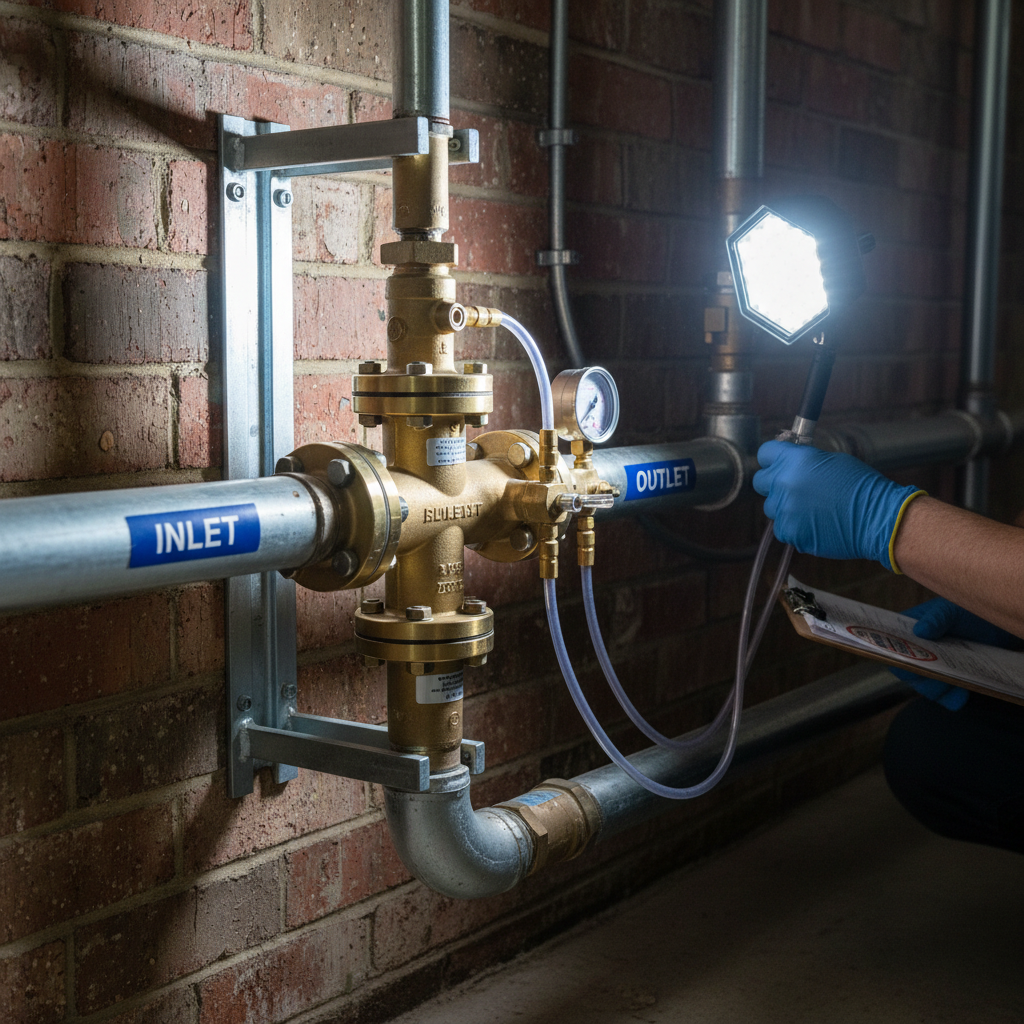
One of the most effective ways to prevent backflow is by installing backflow prevention devices. These devices are designed to allow water to flow in only one direction, thus preventing any reverse flow. Common devices include double check valves, reduced pressure zone devices, and air gaps.

Choosing the Right Device
Selecting the appropriate backflow prevention device depends on the specific requirements of your water system. Factors to consider include the level of hazard, water pressure, and the complexity of the plumbing system. Consulting with a professional plumber can help determine the best choice for your needs.
Regular Maintenance and Inspection
Once installed, backflow prevention devices require regular maintenance and inspection to ensure they function properly. It's recommended to have devices inspected annually by certified professionals. Regular checks help identify potential issues early, preventing costly repairs and ensuring continued protection.
Signs of a Potential Backflow Problem
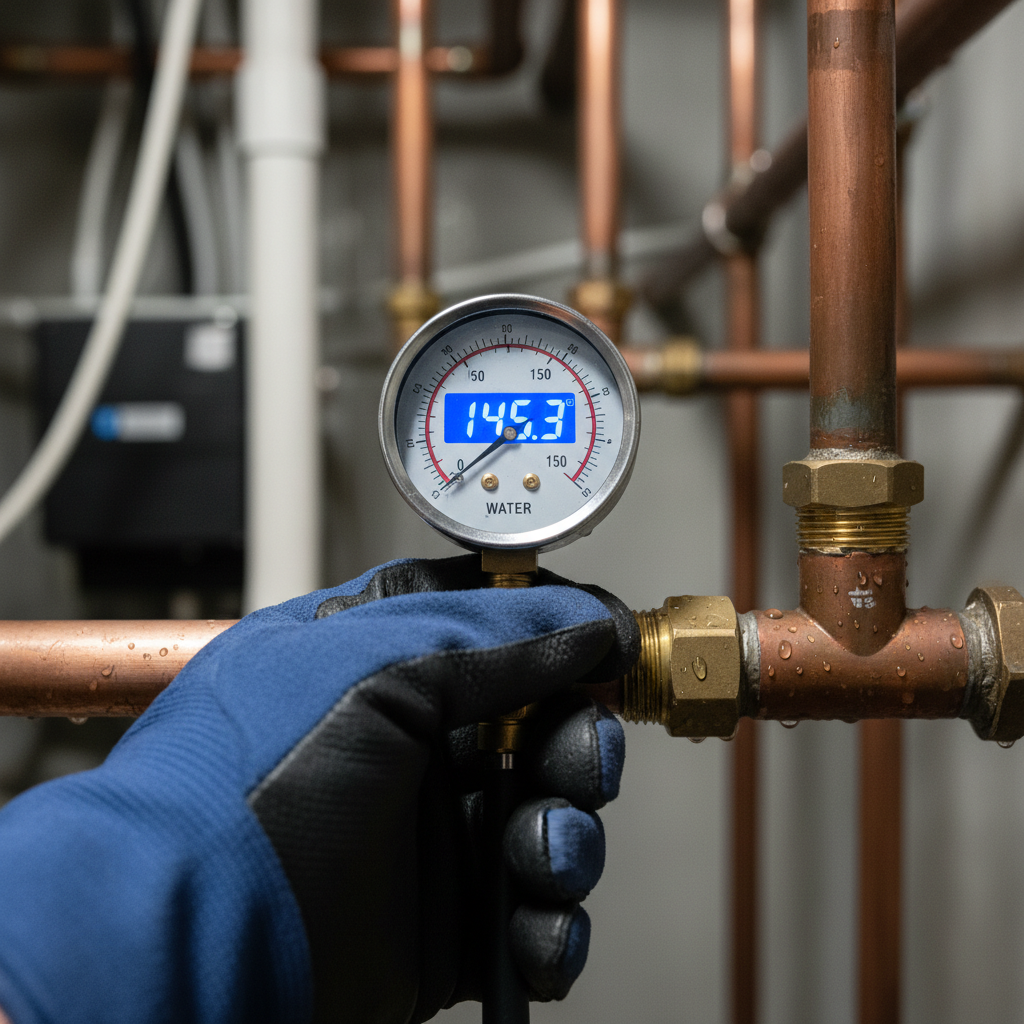
Being aware of the signs of a backflow problem can help in taking prompt action. Some indicators include a change in water pressure, discolored water, or an unusual taste or odor. If you notice any of these signs, it’s important to contact a professional immediately.
Legal Requirements and Compliance
Many regions have specific regulations regarding backflow prevention. Compliance with these regulations is not just legally required but also a vital component of public health protection. Ensuring that your system meets local codes and standards is crucial for avoiding penalties and ensuring safety.
Expert Consultation and Assistance
Professional consultation is invaluable when it comes to backflow prevention. Experts can provide insights into the latest technologies and best practices. They can also assist with the installation, maintenance, and compliance aspects, ensuring a comprehensive approach to backflow prevention.

By understanding the importance of backflow prevention and implementing these expert tips, you can protect your water supply and ensure the health and safety of your community. Regular maintenance, compliance with legal standards, and professional guidance are key components of an effective backflow prevention strategy.