How to Prepare Your Home for Seasonal Backflow Testing
Understanding Seasonal Backflow Testing
Seasonal backflow testing is an essential process that ensures the safety and quality of your home's water supply. Backflow occurs when water flows in the reverse direction, potentially bringing contaminants into clean water lines. Regular testing helps prevent this issue and protects your household from potential health risks.
Many local regulations require annual or seasonal backflow testing, especially if you have a sprinkler system, pool, or other water features. Preparing your home for this test can be straightforward with the right steps.
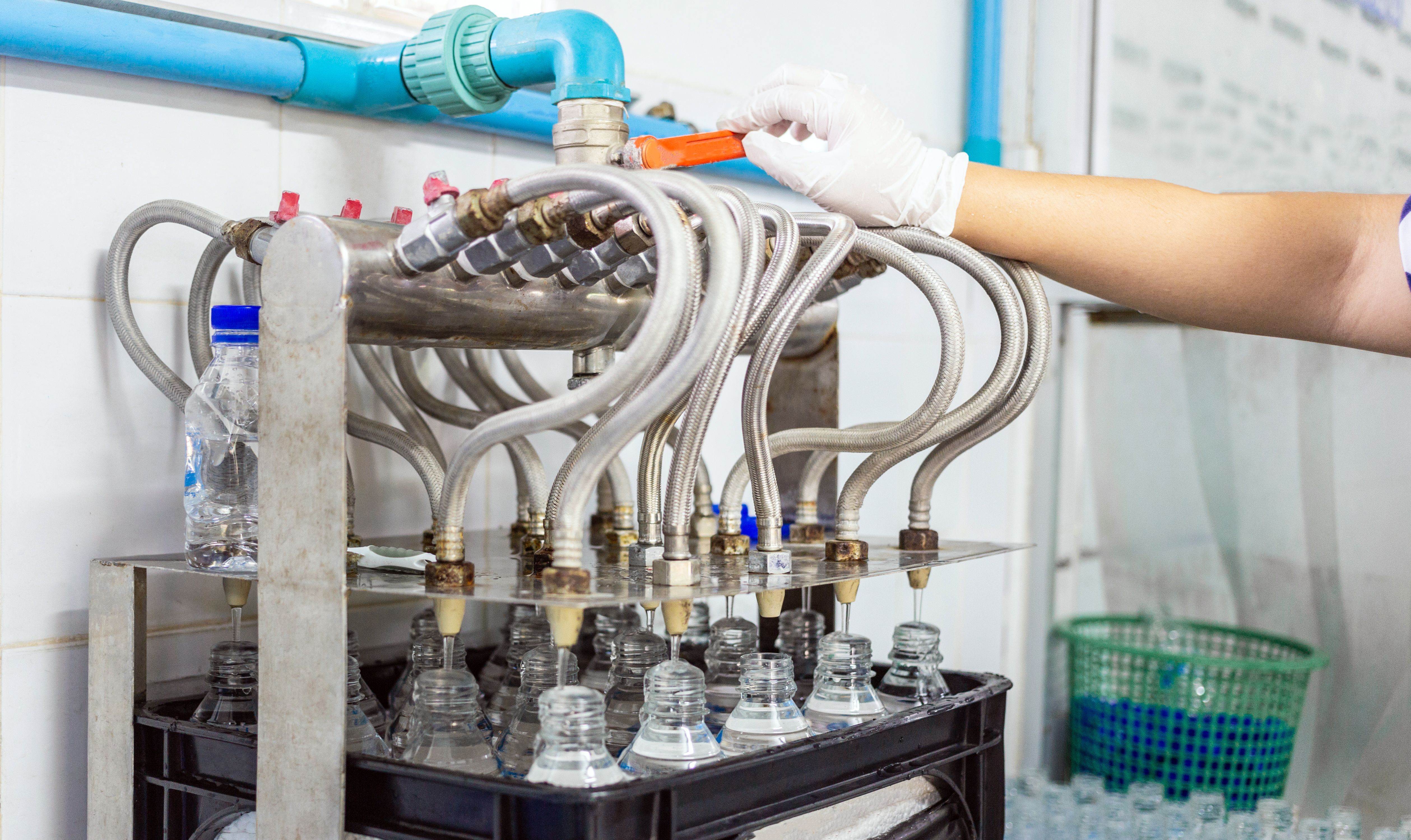
Check Your Home’s Backflow Prevention Device
Your first step is to locate and inspect your backflow prevention device. This device is usually installed near your water meter or at the point where the main water line enters your home. Ensure that it is accessible and in good condition, free of rust or visible damage.
If you notice any issues or are unsure about the device's condition, it’s wise to contact a professional. They can provide guidance or perform necessary repairs before the testing begins.
Ensure Accessibility
To facilitate efficient testing, make sure the area around the backflow prevention device is clear of any obstacles. Remove any debris, plants, or objects that might hinder access. This not only helps the technician perform the test more easily but also ensures safety during the process.

Review Your Water Usage
Understanding your typical water usage patterns can be beneficial during the preparation phase. It helps you identify any unusual changes in water flow or pressure, which could indicate backflow issues. Keep track of your water bills and usage reports for any irregularities.
Additionally, inform household members about the testing schedule, as there might be temporary water shut-offs during the process.
Schedule with a Certified Technician
Hiring a certified backflow testing technician is crucial. These professionals have the expertise and equipment necessary to perform accurate tests and provide reliable results. Check their credentials and ensure they are recognized by local water authorities.

Understand the Testing Process
During the test, the technician will check the backflow prevention device's pressure levels and ensure it is functioning correctly. This process usually doesn’t take long, but if any issues are discovered, further action might be necessary.
Understanding what the technician is doing can give you peace of mind and help you ask informed questions about the results and any recommended repairs.
Post-Testing Actions
After the testing is complete, review the results with your technician. If any repairs or replacements are needed, schedule them promptly to maintain your water system’s safety.
Keep a record of the test results and any maintenance work performed. This documentation can be useful for future reference and is often required by local authorities.
Regular Maintenance Tips
Regular maintenance of your backflow prevention device can prolong its lifespan and ensure optimal performance. Consider scheduling routine inspections and cleaning to keep the system in top condition.
By staying proactive with your home's water safety, you can prevent potential health risks and comply with local regulations.