How Weather Impacts Backflow Systems in Fort Worth
Understanding Backflow Systems
Backflow systems play a crucial role in maintaining the safety and quality of water in Fort Worth. These systems are designed to prevent contaminated water from flowing back into clean water supplies. Ensuring the proper functioning of these systems is essential for public health and safety.
The effectiveness of backflow systems can be significantly impacted by various weather conditions. Understanding these impacts is vital for homeowners and businesses to maintain optimal system performance.
The Effects of Temperature Changes
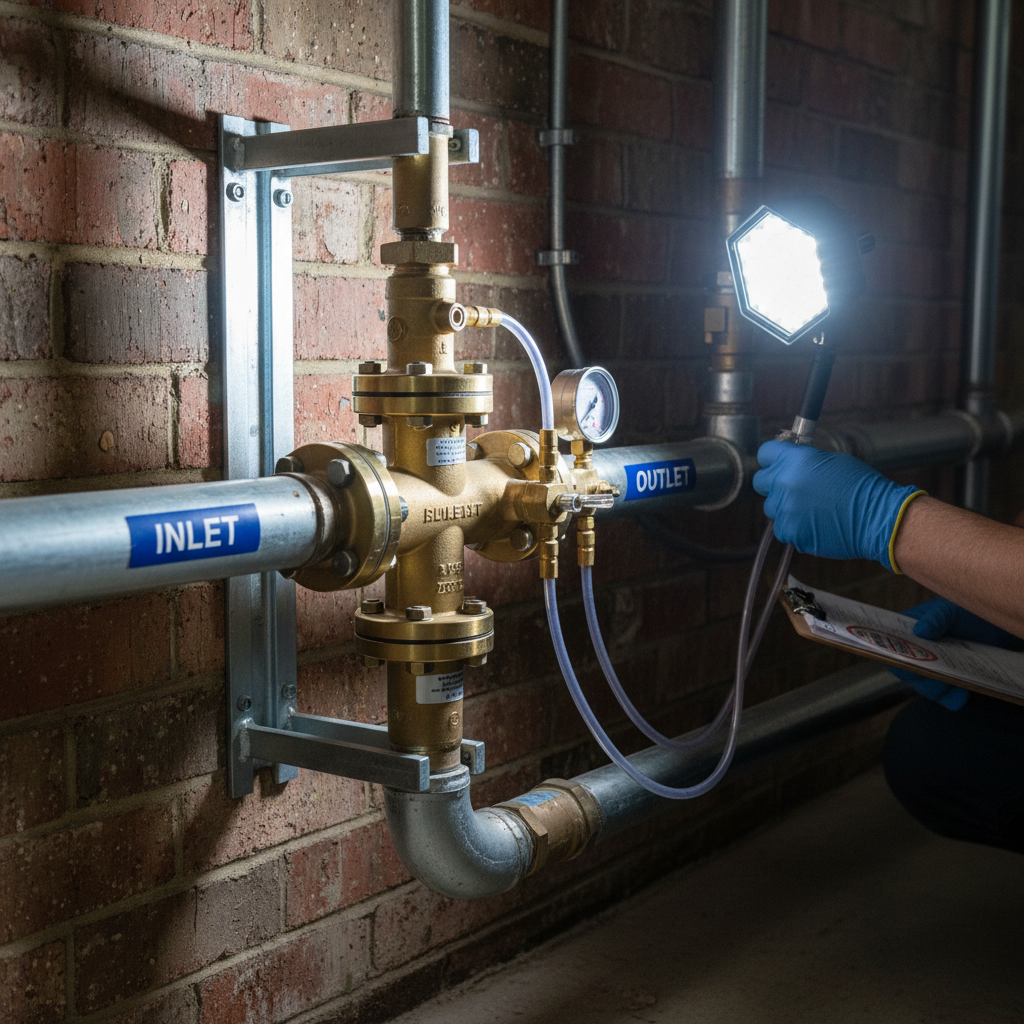
Temperature fluctuations can have a noticeable impact on backflow systems. In Fort Worth, where temperatures can vary widely between seasons, this is particularly important. Cold temperatures can lead to frozen pipes, which may cause cracks or leaks in the system.
This can potentially result in backflow contamination. On the other hand, extreme heat can cause materials to expand, leading to misalignments or damages to the backflow preventers.
Preventative Measures
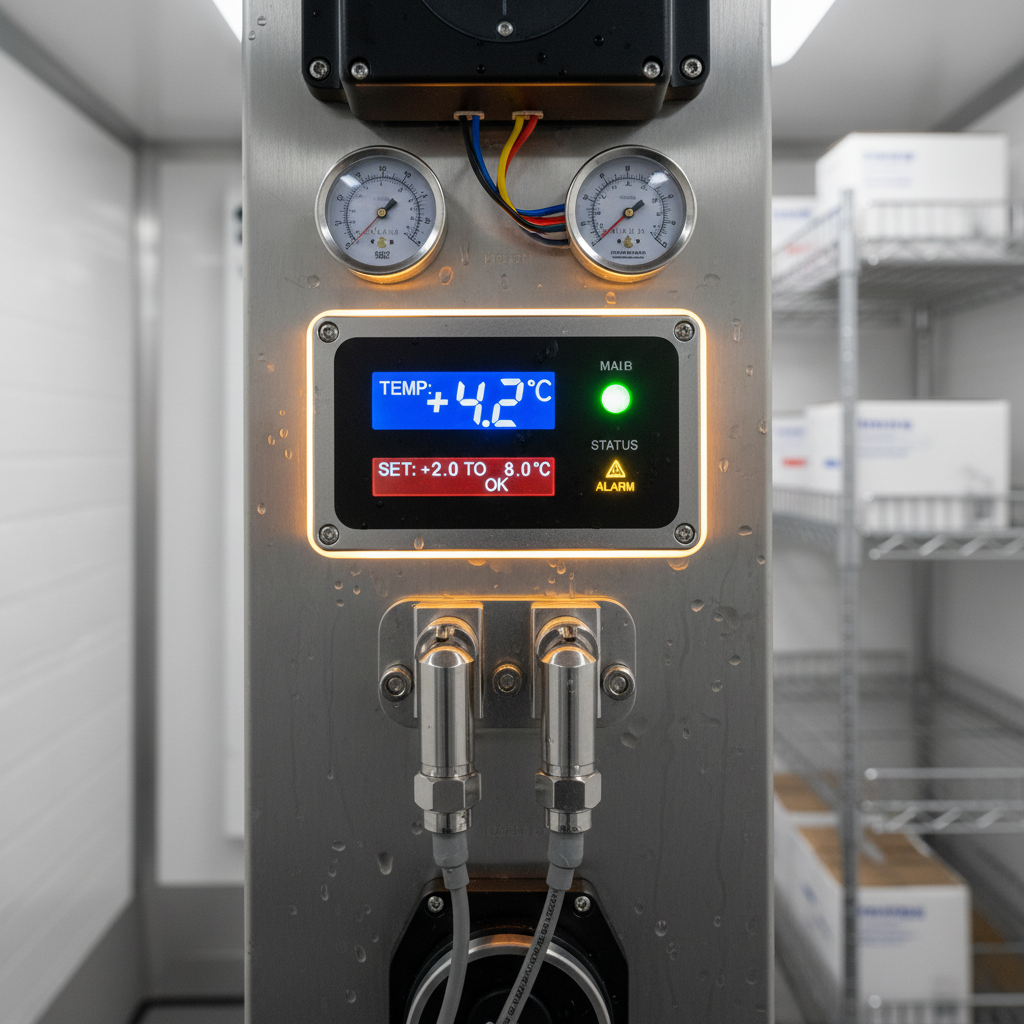
To combat these issues, it's important to insulate pipes during colder months and regularly inspect and maintain the system. Regular maintenance helps detect early signs of wear and prevents costly repairs.
Impact of Rain and Flooding
Heavy rainfall and flooding are common weather phenomena in Fort Worth. These conditions can overwhelm backflow systems, especially if they are not adequately maintained. Excess water can lead to pressure changes in the system, increasing the risk of backflow.
The infiltration of floodwaters can introduce contaminants into the water supply, posing a health risk to residents.

Steps to Mitigate Risks
It's essential to ensure that drainage systems are functioning correctly and that backflow preventers are installed and tested regularly. Homeowners should also be aware of local weather forecasts and take precautionary measures during heavy rain events.
Wind and Debris Concerns
Strong winds can carry debris that might obstruct or damage backflow systems. Fallen branches or other debris can block vents or damage external components, leading to malfunctions.
Regular inspection and clearing of debris around the system can prevent these issues and ensure that the system operates smoothly.
Regular Maintenance and Inspection
Regular maintenance is crucial in keeping backflow systems in optimal condition. Scheduling annual inspections with a certified technician can help identify potential problems before they escalate. This proactive approach can save time and money in the long run.

In conclusion, understanding how weather impacts backflow systems is key to ensuring their longevity and reliability. By taking preventative measures and staying informed about local weather conditions, residents of Fort Worth can protect their water supply and maintain the integrity of their backflow systems.