Seasonal Checklist: Preparing Your Granbury Home for Backflow Inspection
As the seasons change, it's essential to prepare your Granbury home for various maintenance tasks, including backflow inspection. Ensuring your plumbing system is in top shape can prevent potential health hazards and costly repairs. Here’s a comprehensive checklist to help you get ready for your next backflow inspection.
Understanding Backflow Prevention
Backflow occurs when water flows in the opposite direction from its intended path, potentially contaminating your clean water supply. A backflow prevention device is crucial in ensuring that your drinking water remains safe. Regular inspections are necessary to maintain the efficiency of these devices.
Schedule Your Inspection
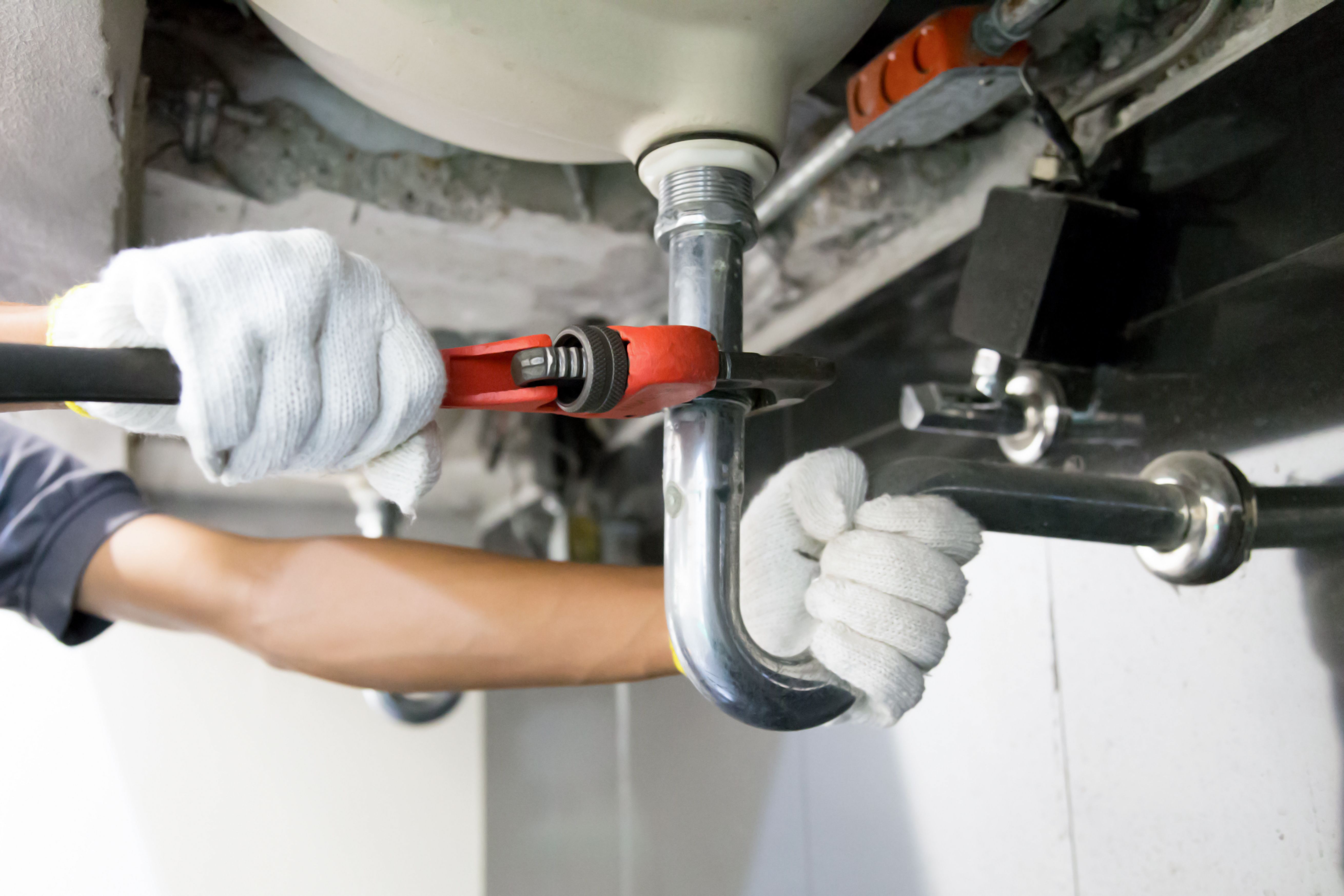
The first step in preparing for a backflow inspection is to schedule an appointment with a certified professional. In Granbury, it’s recommended to have this done annually to stay compliant with local regulations. Early scheduling ensures you have plenty of time to address any issues that might arise.
Check for Visible Leaks
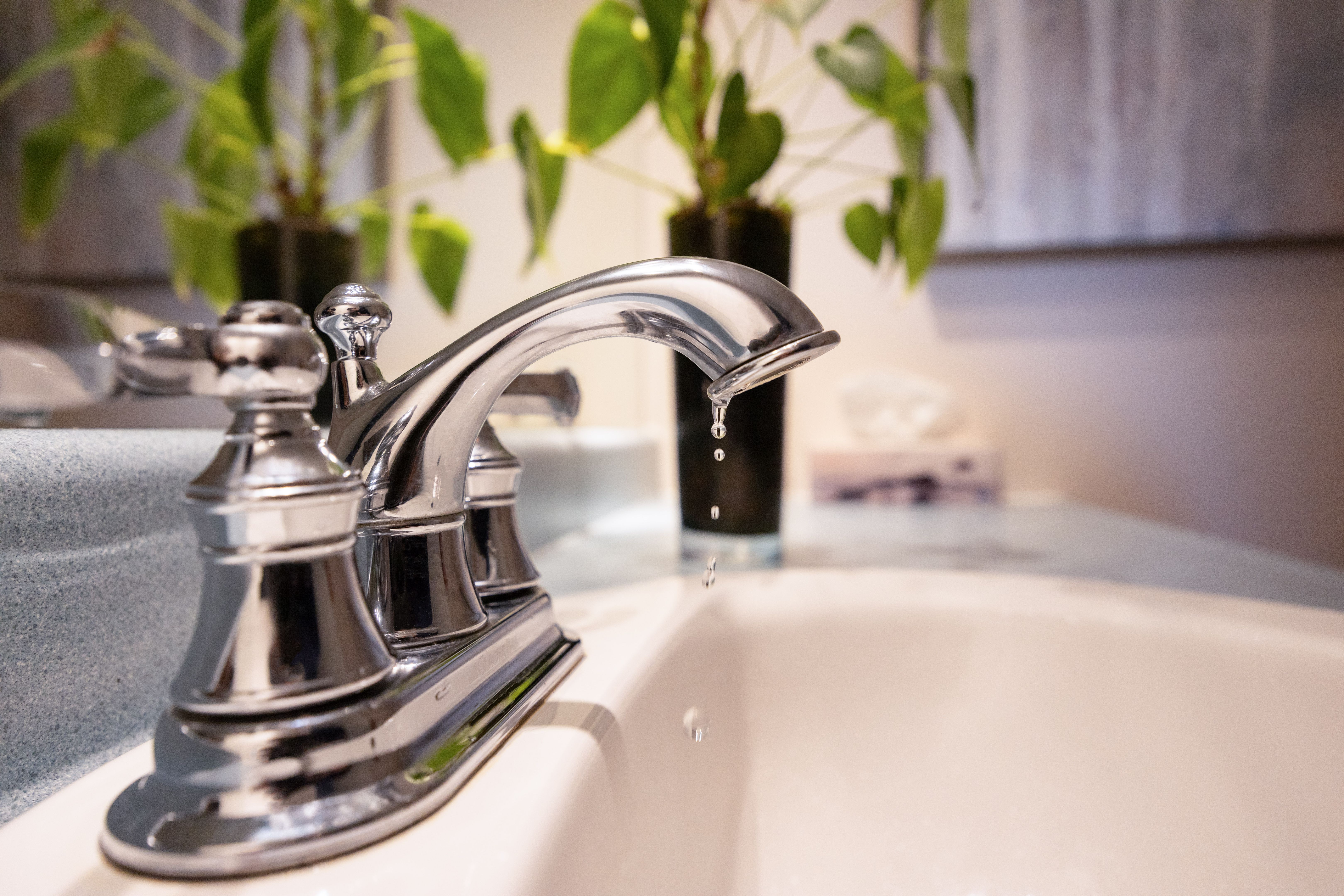
Before your inspection, conduct a thorough check for any visible leaks in your plumbing system. Leaks can indicate a problem with your backflow prevention device. Inspect areas around faucets, hoses, and connections, and repair any issues promptly.
Test Your Water Pressure
Water pressure that is too high or too low can impact the performance of your backflow prevention device. Use a water pressure gauge to test your home’s water pressure. Ideally, it should be between 40-60 PSI. If it’s outside this range, consult with a professional to adjust it accordingly.
Inspect Your Backflow Device
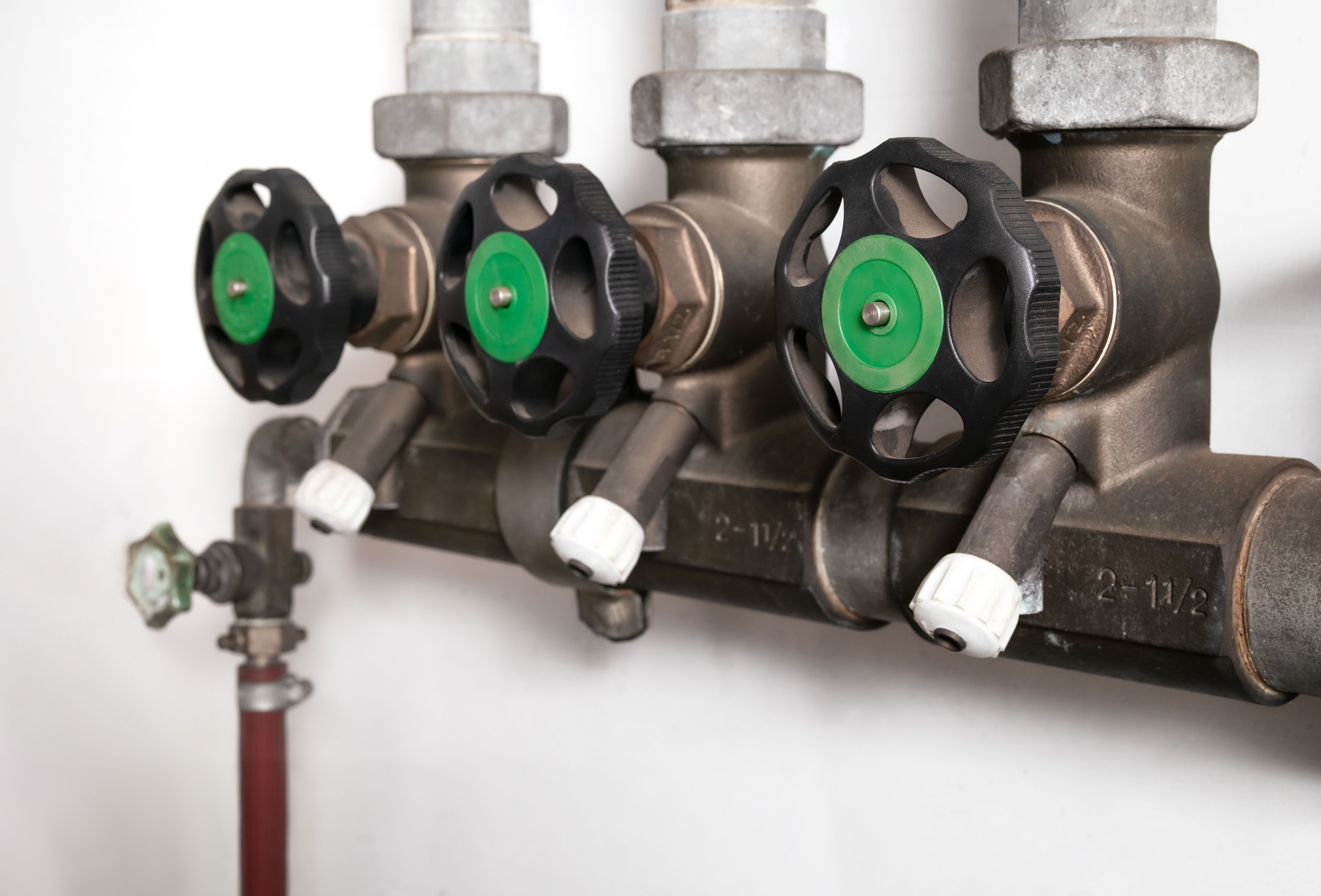
Examine your backflow prevention device for any signs of wear and tear. Look for rust, cracks, or other damage that might compromise its functionality. If you notice any issues, it’s crucial to address them before the inspection to ensure compliance and safety.
Clear the Area Around the Device
Make sure the area around your backflow prevention device is clear of debris, plants, or any obstructions. This not only facilitates an easier inspection process but also ensures the device operates without interference.
Prepare Necessary Documentation
Gather any previous inspection reports or maintenance records related to your backflow prevention device. Having this information readily available can streamline the inspection process and provide valuable insights into the device’s history and performance.
- Previous inspection reports
- Maintenance records
- Warranty information
Stay Informed and Compliant
Understanding local regulations regarding backflow prevention is crucial for compliance. Stay informed about any changes in requirements or inspection procedures in Granbury to ensure your home remains safe and up to code.
By following this seasonal checklist, you can confidently prepare your Granbury home for a backflow inspection. Regular maintenance and inspections not only protect your home but also ensure the safety and quality of your water supply.