The Latest Technology in Backflow Prevention Systems: What You Need to Know
Understanding Backflow Prevention Systems
Backflow prevention systems are crucial in maintaining the safety and quality of our water supply. These systems are designed to prevent the reverse flow of contaminated water into clean water supplies. As technology advances, the tools and techniques used in backflow prevention are becoming more sophisticated, offering improved reliability and efficiency.
Recent innovations have introduced more effective materials and designs, ensuring systems remain durable and responsive to various challenges. From residential to industrial applications, these advancements are reshaping the landscape of water safety.
Latest Innovations in Backflow Prevention
Smart Technology Integration
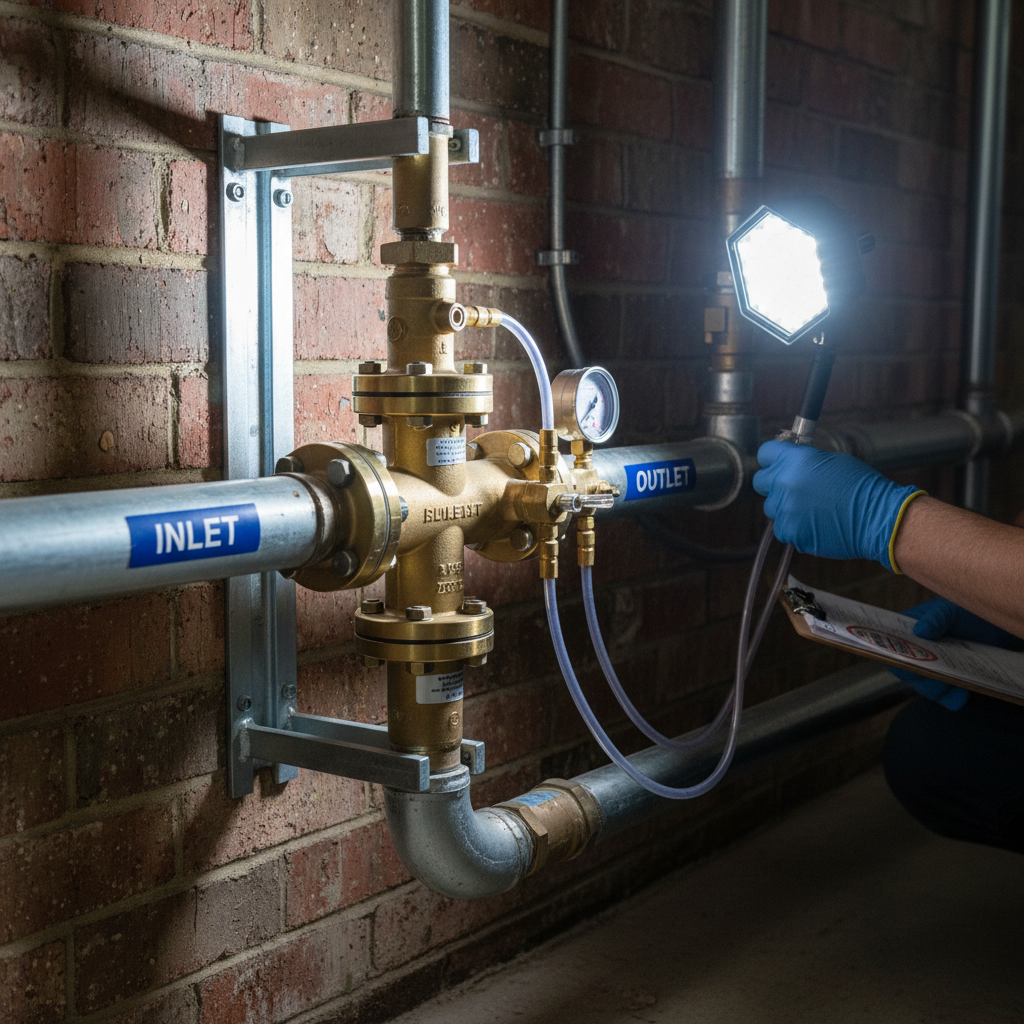
One of the most exciting advancements is the integration of smart technology. Modern backflow prevention systems can now be equipped with sensors and IoT connectivity, allowing for real-time monitoring and alerts. This means any issues can be detected and resolved quickly, minimizing the risk of contamination.
These systems provide valuable data on water flow and pressure, helping in predictive maintenance and ensuring optimal performance. The ability to monitor systems remotely also reduces the need for frequent manual inspections, saving time and resources.
Advanced Materials and Design
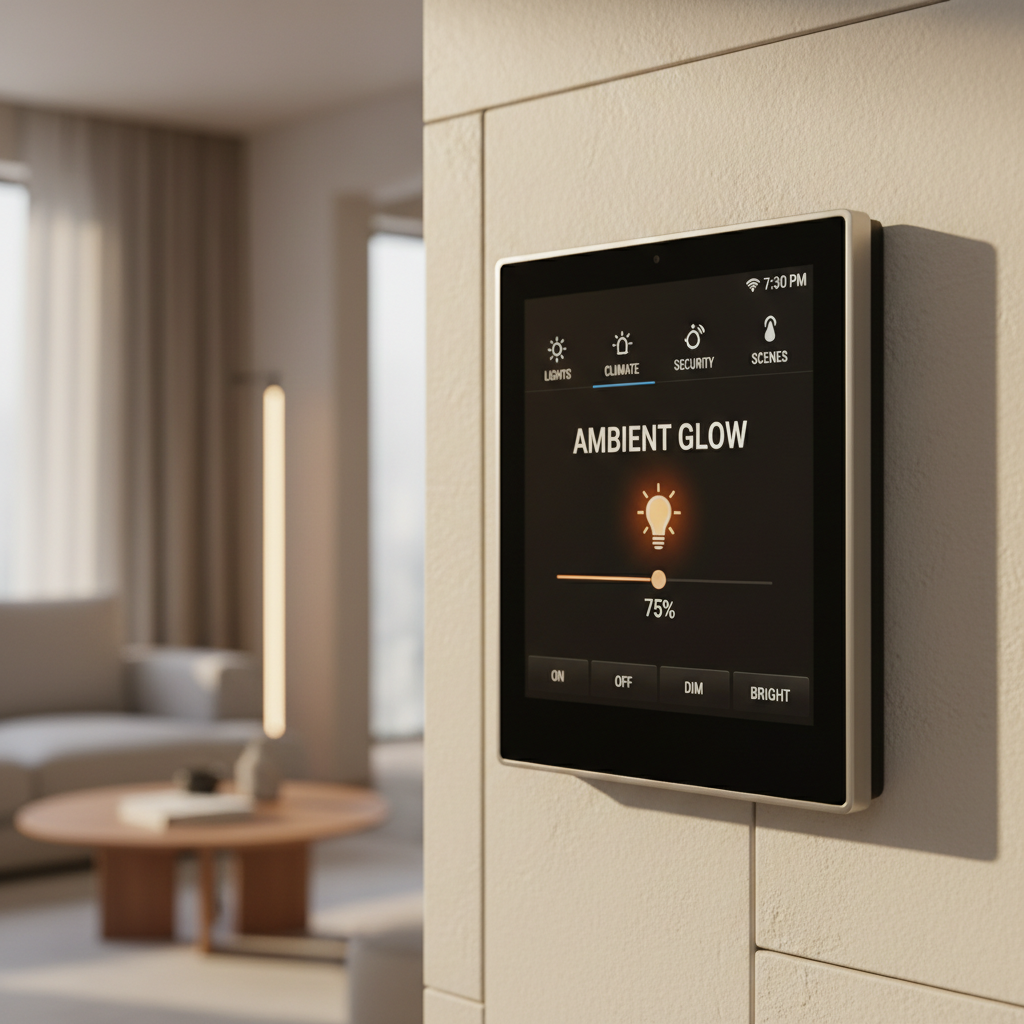
Another significant development is the use of advanced materials that enhance durability and resistance to corrosion. High-performance plastics and specialized alloys are now common in backflow prevention devices, offering longevity and reliability even in harsh environments.
Innovative designs also contribute to more efficient operation. Compact and streamlined models are easier to install and maintain, making them accessible to a wider range of applications.
Benefits of Modern Backflow Prevention Systems
The latest technologies offer several benefits, including:
- Increased Safety: Enhanced monitoring and durable materials reduce the risk of contamination.
- Cost Efficiency: Improved maintenance and longer lifespans lower overall costs.
- Environmental Impact: Reduced water waste through efficient design and operation.

Choosing the Right System for Your Needs
When selecting a backflow prevention system, consider the specific needs of your area or industry. Factors such as water pressure, environmental conditions, and regulatory requirements should guide your choice. Consulting with a professional can provide insights into the most suitable options available.
Ensure that the chosen system is certified and compliant with local and national standards to guarantee its effectiveness and safety.
Conclusion
The latest technology in backflow prevention systems represents a significant leap forward in water safety. By embracing these advancements, we can ensure cleaner, safer water for all. Staying informed about these innovations will help you make the best choices for your water management needs.