The Ultimate Guide to Backflow Inspection in Fort Worth
Backflow inspection is an essential part of maintaining a safe and efficient water system. In Fort Worth, this process ensures that contaminated water does not flow back into the clean water supply, protecting both residents and the environment. Understanding the importance and process of backflow inspection can help homeowners and businesses maintain compliance and safety.
What is Backflow?
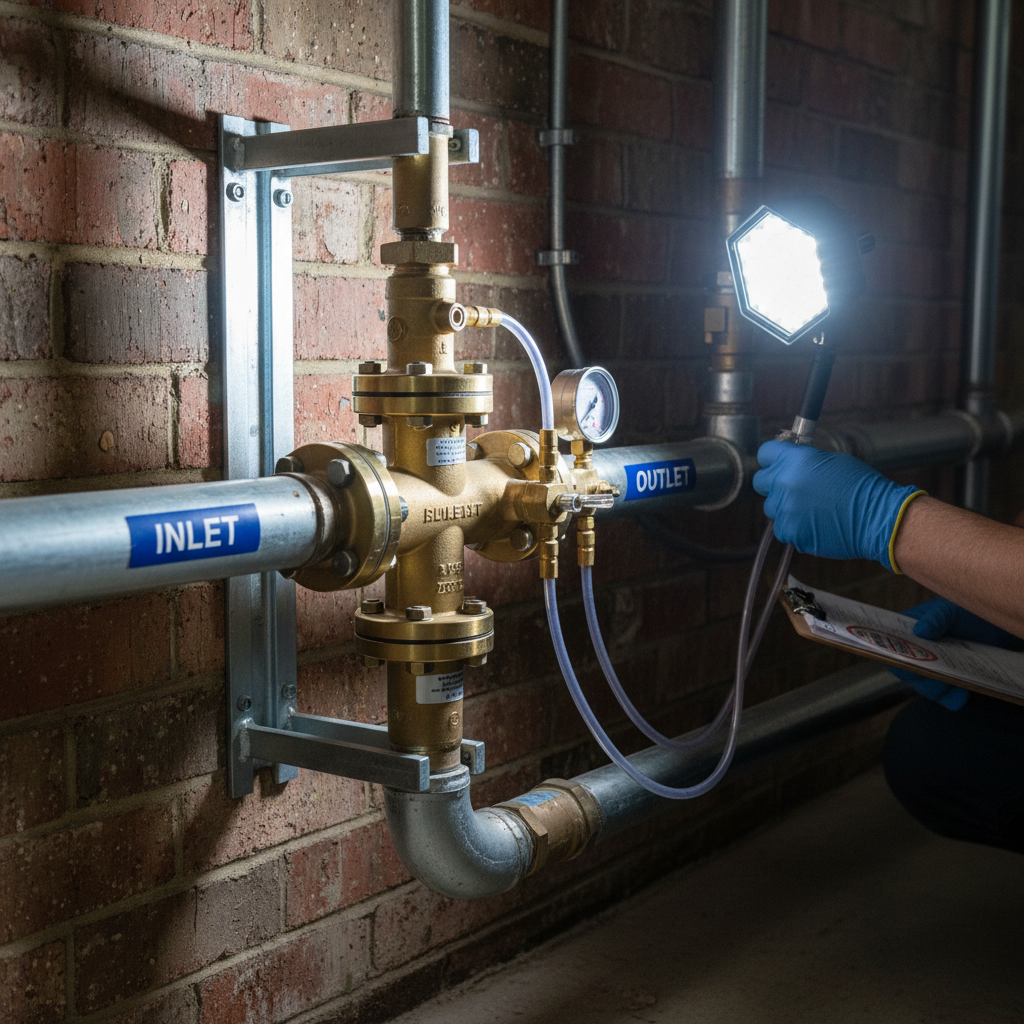
Backflow occurs when the normal flow of water is reversed, causing potential contaminants to enter the clean water supply. This can happen due to changes in pressure within the water system. Common causes include water main breaks, pump failures, or increased demand on the water supply.
To prevent backflow, devices known as backflow preventers are installed. These devices ensure that water flows in only one direction, safeguarding the water supply from contamination.
Why is Backflow Inspection Important?
Regular backflow inspections are crucial for several reasons. Firstly, they ensure that backflow preventers are functioning correctly, maintaining the integrity of the water supply. Secondly, inspections help identify potential issues before they become serious problems. Finally, many local regulations require periodic inspections to comply with health and safety standards.
Compliance with Local Regulations
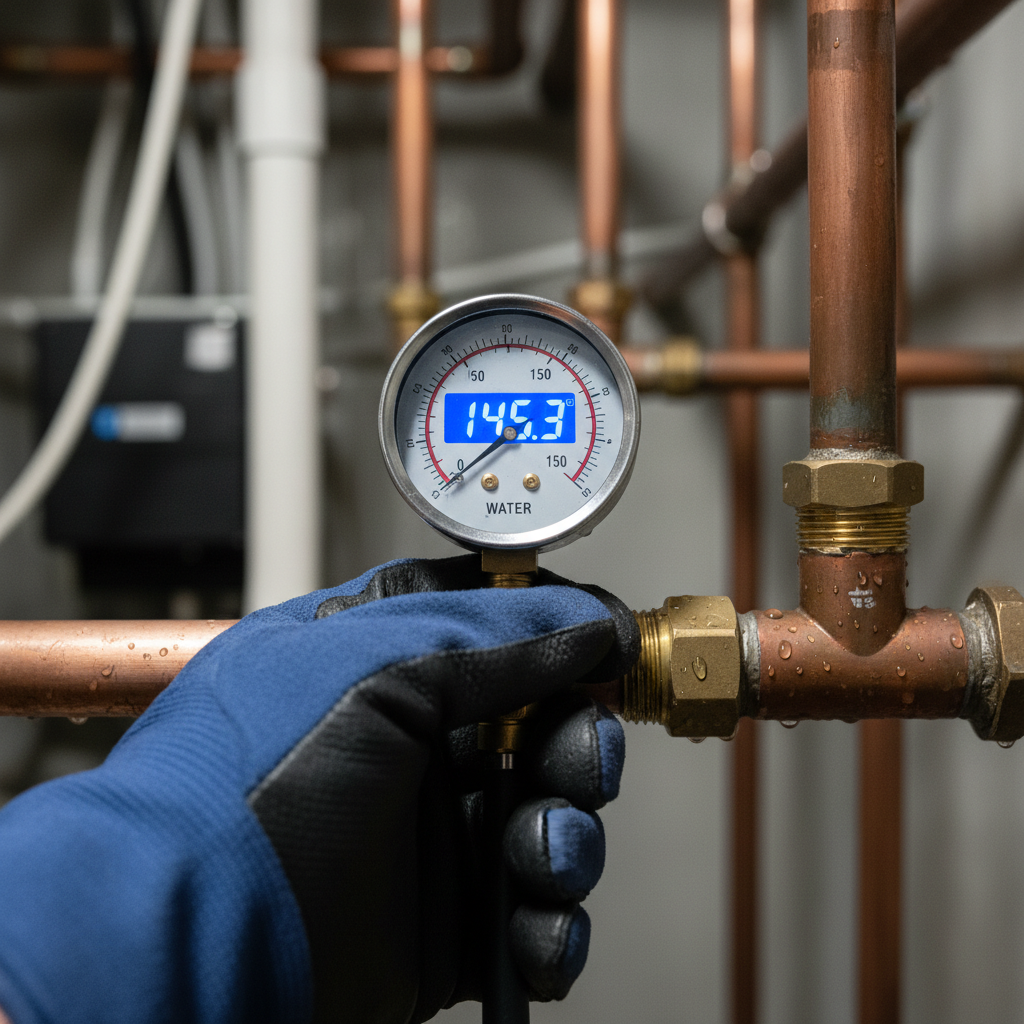
In Fort Worth, adhering to local regulations regarding backflow inspection is vital. The city mandates regular testing and maintenance of backflow prevention devices. Failing to comply can result in fines, legal issues, or even water service interruption.
How is Backflow Inspection Conducted?
During a backflow inspection, a certified technician will test the backflow prevention device to ensure it is working properly. The process typically includes checking for any signs of wear or damage, verifying the device’s functionality, and ensuring that it meets local code requirements.
- Visual Inspection: Checking for obvious signs of damage or wear.
- Functional Testing: Ensuring the device prevents reverse flow.
- Compliance Verification: Confirming adherence to local standards.
Choosing a Qualified Inspector
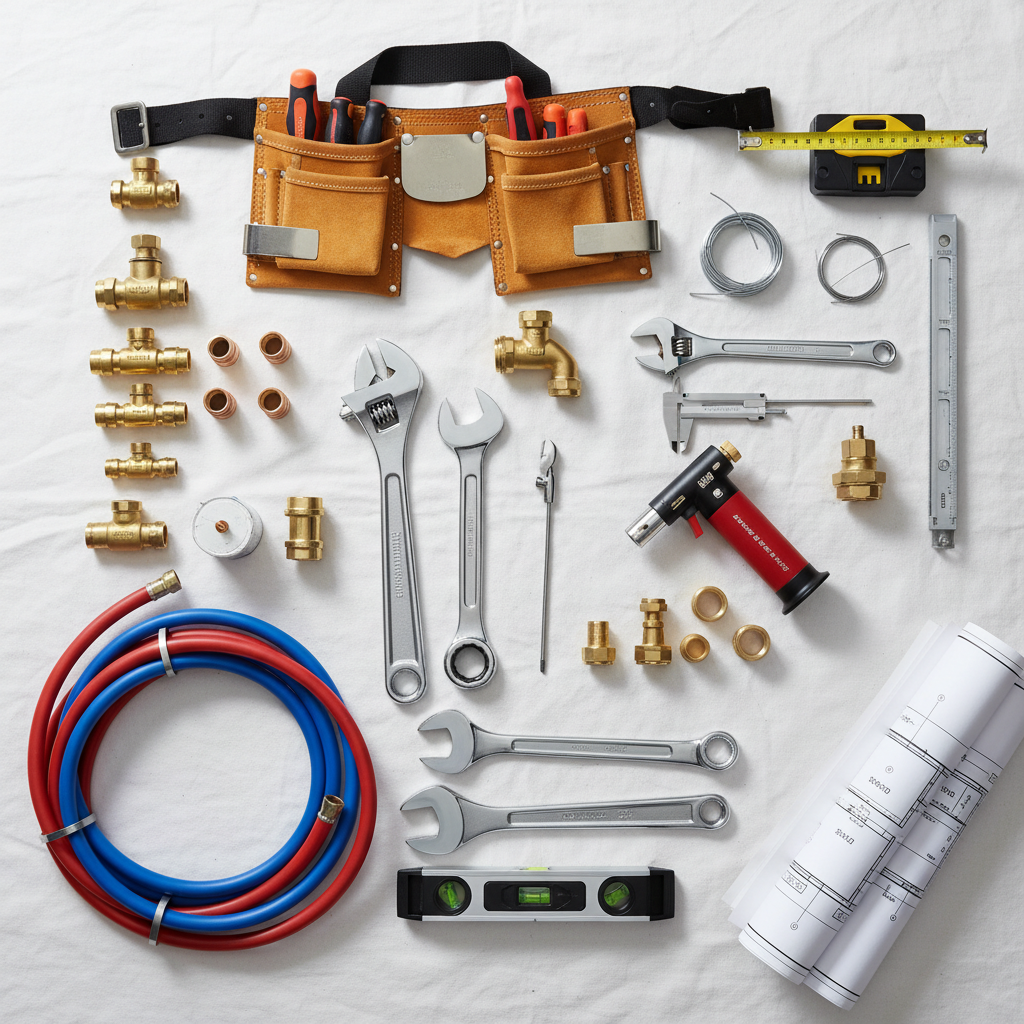
Selecting a certified and experienced inspector is crucial for a thorough and accurate backflow inspection. Look for professionals with proper licensing and a solid reputation in the Fort Worth area. A qualified inspector will provide detailed reports and recommendations for any necessary repairs or replacements.
Maintaining Your Backflow Prevention Device
Regular maintenance of backflow prevention devices is essential to their long-term functionality. Routine checks by professional inspectors can help identify issues early, reducing the risk of contamination. Simple maintenance tasks, such as cleaning and replacing worn parts, can significantly extend the device’s lifespan.
For homeowners and business owners in Fort Worth, understanding and participating in the backflow inspection process is vital. By keeping these systems in top condition, you protect your water supply and ensure compliance with local regulations.