What Does a Backflow Test Involve? A Comprehensive FAQ Guide
Understanding Backflow Testing
Backflow testing is essential for ensuring that your water supply remains clean and safe. It involves checking your plumbing system to ensure that contaminated water does not flow back into the clean water supply. This is crucial for both residential and commercial properties.
What is Backflow?
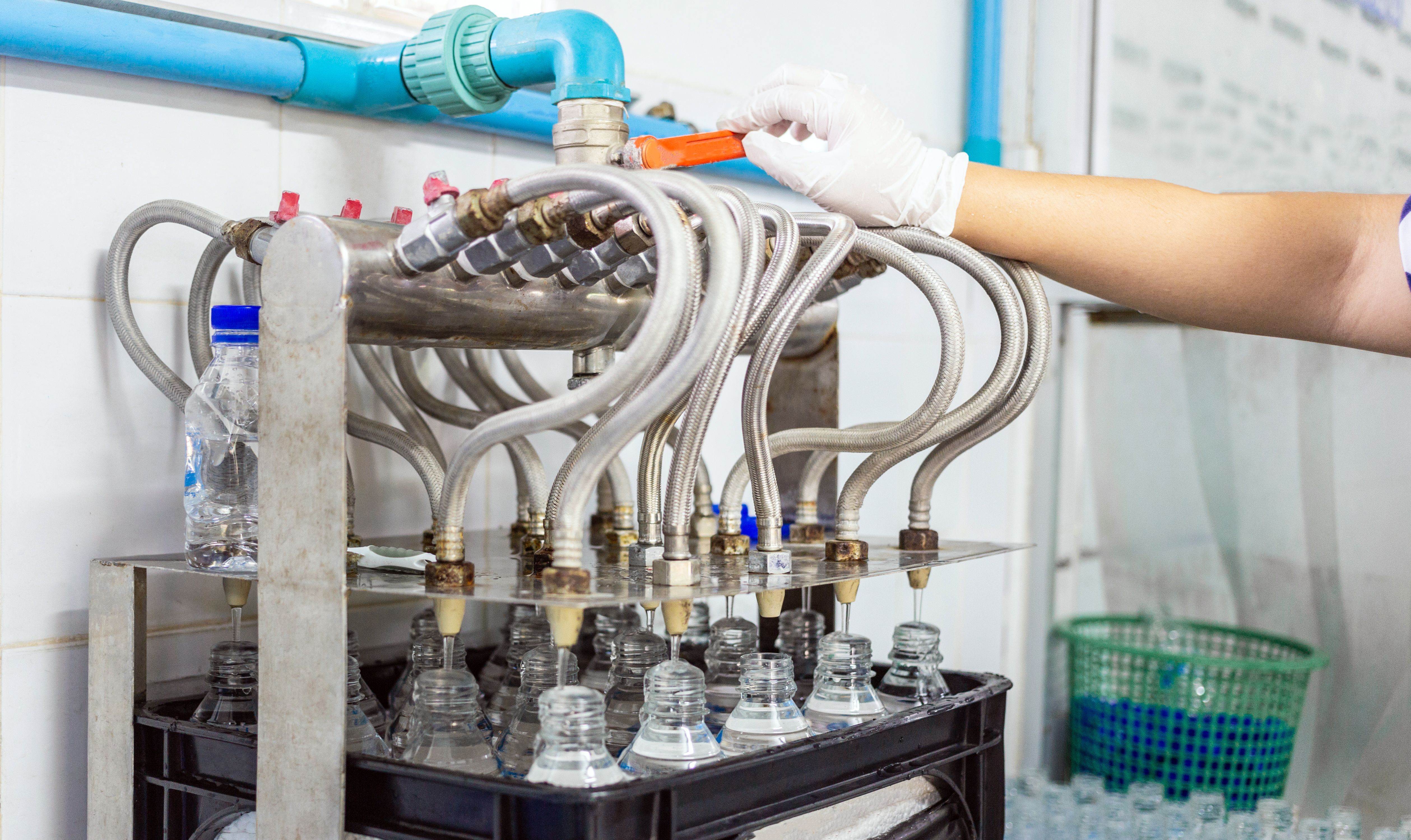
Backflow occurs when the normal flow of water is reversed, potentially allowing contaminants to enter the clean water system. This can happen due to changes in pressure, such as when a water main breaks or there is a significant increase in water usage.
Why is Backflow Testing Important?
Testing is vital because it helps protect public health by ensuring that drinking water remains uncontaminated. Regular testing can prevent costly repairs and health hazards, making it a critical aspect of property maintenance.
The Backflow Testing Process
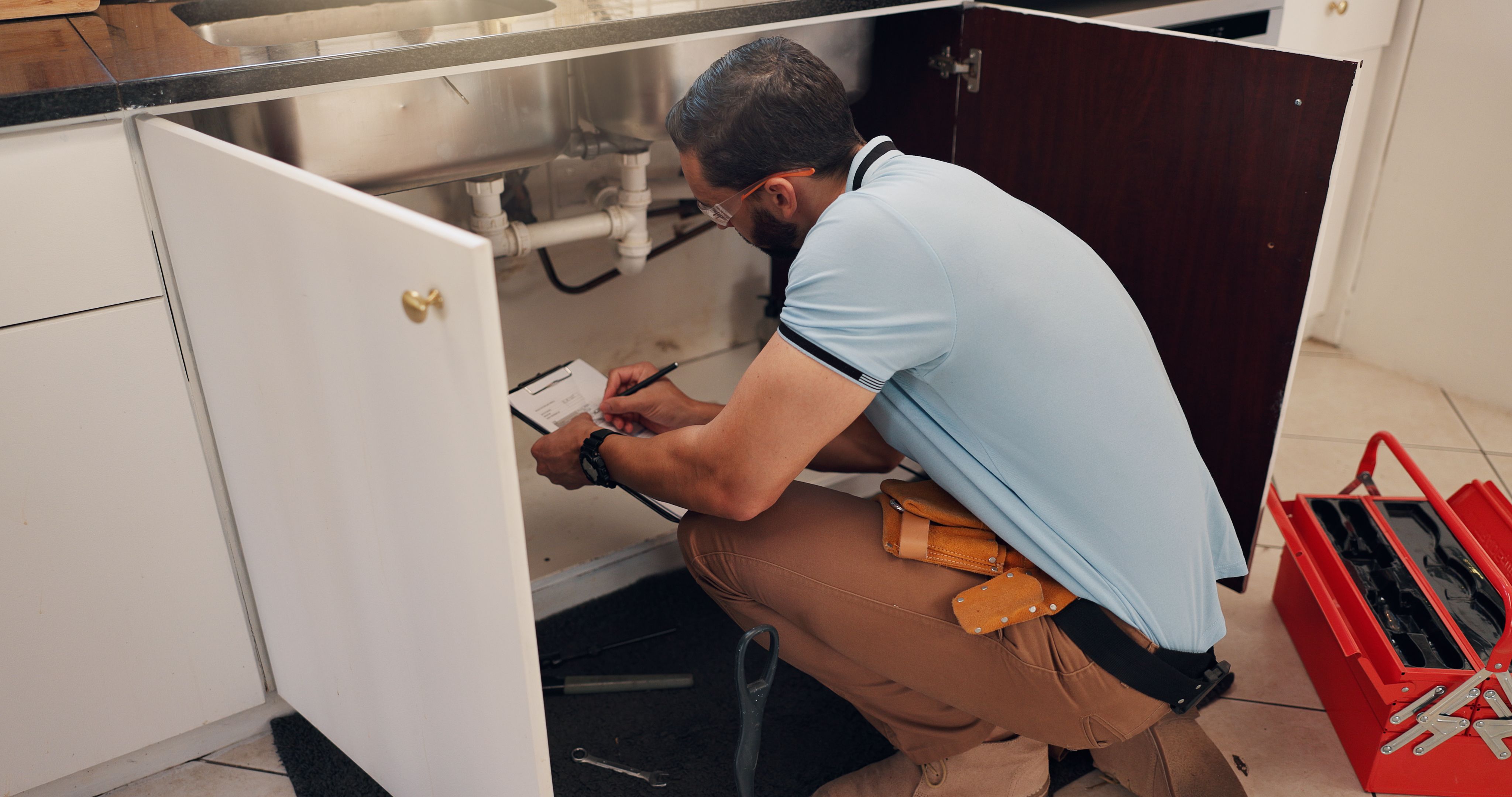
The testing process is straightforward but must be conducted by a certified professional. During a backflow test, a technician will:
- Inspect the backflow prevention device.
- Check for proper installation and maintenance.
- Ensure that the device is functioning correctly.
How Often Should Testing Be Done?
Most areas require annual testing, but the frequency can vary based on local regulations and the type of property. It’s essential to stay informed about your local requirements to remain compliant.

What Happens if a Test Fails?
If a backflow test fails, it typically means that the prevention device is not working correctly. The technician will discuss repair or replacement options to ensure the system is up to code.
Common Questions About Backflow Testing
Who is Responsible for Testing?
The property owner is usually responsible for arranging and ensuring that backflow testing is conducted. However, landlords may pass this responsibility to tenants, depending on the lease agreement.
Can I Do the Test Myself?
Backflow testing should always be performed by a certified professional. Attempting to conduct the test yourself can lead to inaccurate results and potential legal issues.
What Are the Costs Involved?
Costs can vary based on the complexity of the system and local service rates, but regular testing is a small price to pay for the safety and security of clean water.
In conclusion, regular backflow testing is an essential practice that ensures the safety of your water supply. By understanding the process and adhering to local regulations, you can contribute to maintaining a safe and healthy environment.