What Does a Backflow Test Involve? Your FAQs Answered
Understanding Backflow Testing
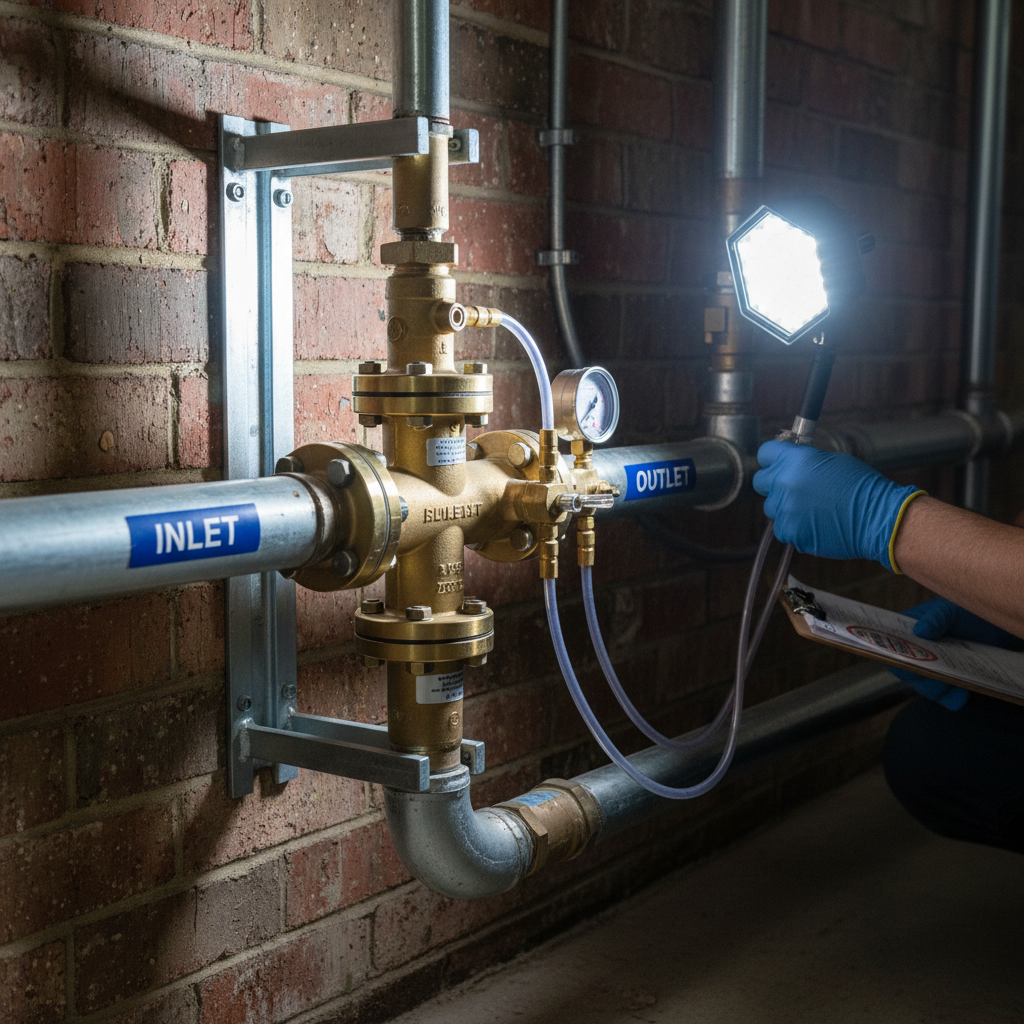
A backflow test is a crucial procedure to ensure that your water supply remains clean and uncontaminated. It involves checking the backflow prevention device, which is designed to keep water flowing in one direction and prevent contaminants from entering the potable water system.
Why Is Backflow Testing Important?
Backflow can occur when there is a sudden change in water pressure, causing water to flow backward. This can introduce harmful substances into your water supply, posing health risks. Regular backflow testing helps to prevent these issues, ensuring the safety and quality of your drinking water.
What Does the Test Involve?
During a backflow test, a certified technician will examine the backflow prevention device. The process generally includes:
- Inspecting the device for any visible damage or wear.
- Checking each valve to ensure proper operation.
- Measuring the pressure levels to verify they are within safe limits.
- Ensuring there are no blockages or leaks.

How Often Should You Test?
The frequency of backflow testing can vary based on local regulations and the type of device installed. However, it is generally recommended to conduct tests annually to ensure optimal functionality and compliance with safety standards.
Who Should Perform the Test?
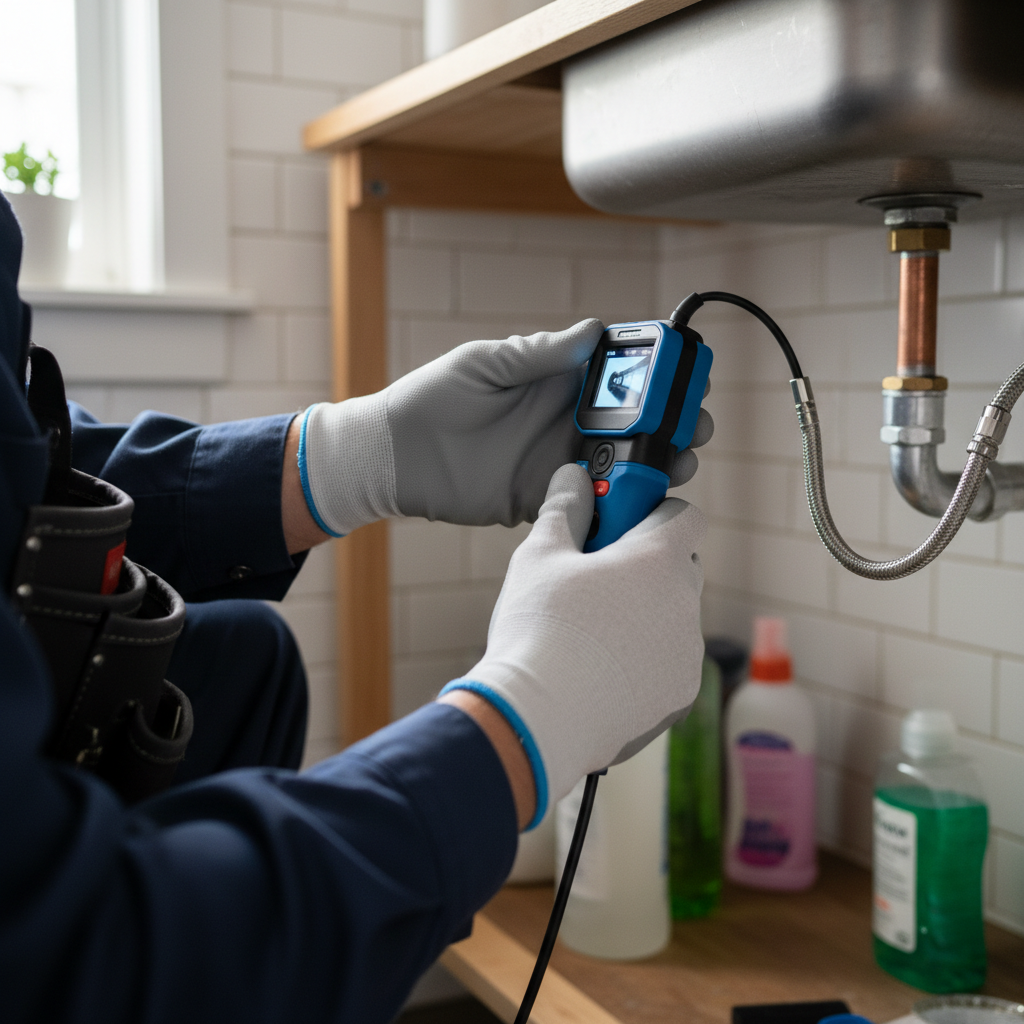
It is essential to hire a certified professional to perform backflow testing. These experts have the necessary training and equipment to conduct thorough inspections and make any needed repairs or adjustments.
What Happens If a Test Fails?
If your backflow prevention device fails the test, immediate action is required to fix the issue. The technician will typically provide a detailed report outlining the problem and recommend the necessary repairs or replacements to restore the system's integrity.
FAQs on Backflow Testing
Here are some frequently asked questions about backflow testing:
- What causes backflow? Backflow is often caused by changes in water pressure, such as during a water main break or when a fire hydrant is used.
- Can I perform the test myself? No, it is not advisable as it requires specialized knowledge and equipment.
- Is backflow testing mandatory? Yes, in most regions, it is required by law to ensure public health and safety.
Understanding and adhering to backflow testing requirements is essential for maintaining a safe water supply. Regular inspections and maintenance can prevent potential hazards and ensure your home or business complies with health regulations.