What Does a Backflow Test Involve? Your Ultimate FAQ Guide
Understanding Backflow Testing
Backflow testing is an essential process that ensures your water supply remains clean and safe from contamination. This test is particularly important for properties with irrigation systems, fire suppression systems, or any other setups where water could mix between different sources. The process helps ensure that contaminated water does not flow back into your clean water supply.
In this guide, we will explore what backflow testing involves, why it is necessary, and answer some of the most frequently asked questions about the process. Whether you're a homeowner or a business owner, understanding the importance of backflow testing can help you maintain a safe and compliant water system.
What Is Backflow?
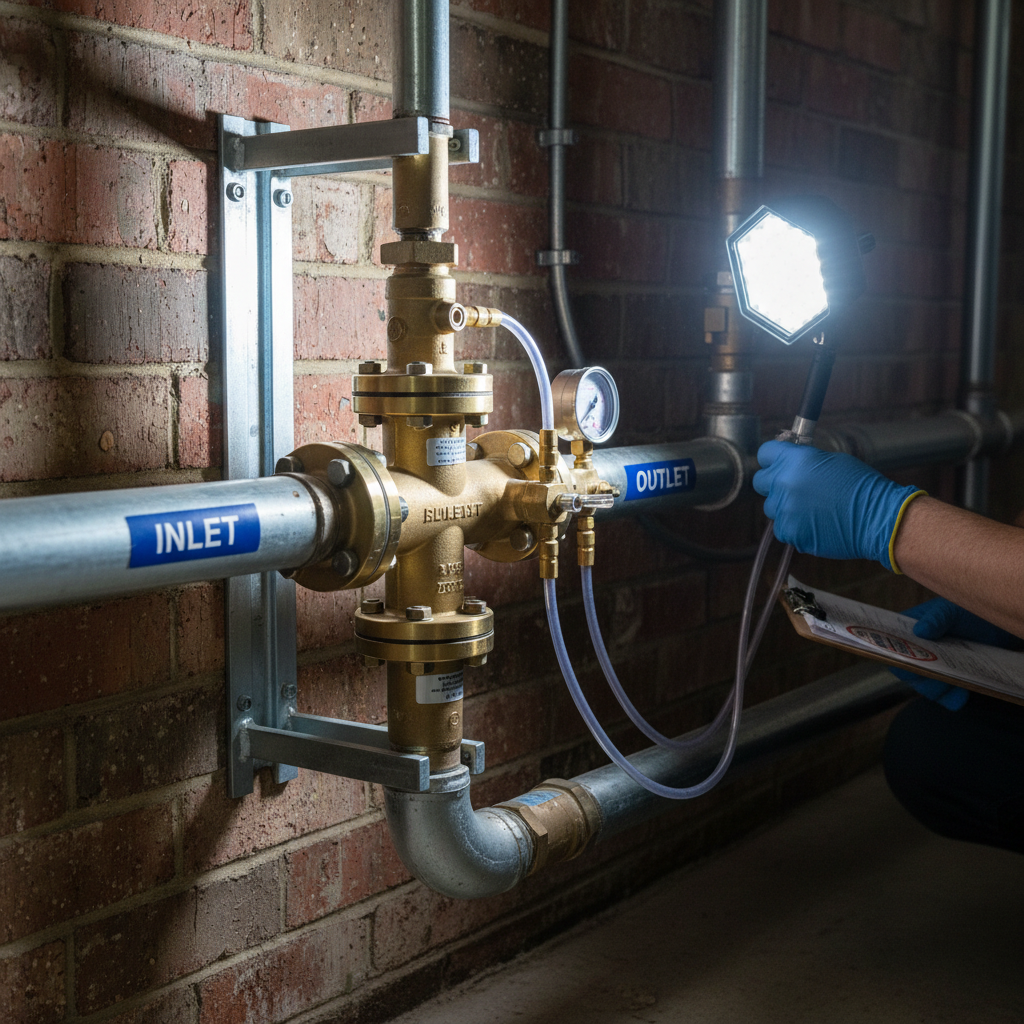
Backflow occurs when the normal flow of water is reversed, allowing contaminants to enter the clean water supply. This can happen due to a sudden change in pressure, such as a burst pipe or an unexpected surge in water usage. The consequences can be severe, leading to potential health risks and safety hazards.
To prevent this, backflow prevention devices are installed in plumbing systems. These devices require regular testing to ensure they are functioning correctly and provide the necessary protection against contamination.
How Is a Backflow Test Conducted?
During a backflow test, a certified technician will assess the backflow prevention device installed in your plumbing system. The process typically involves:
- Shutting off the water supply to isolate the device.
- Attaching test equipment to measure pressure and check for leaks.
- Ensuring that the device is preventing reverse flow effectively.
If the device fails the test, repairs or replacements may be necessary to restore proper function and compliance with local regulations.
Why Is Backflow Testing Important?
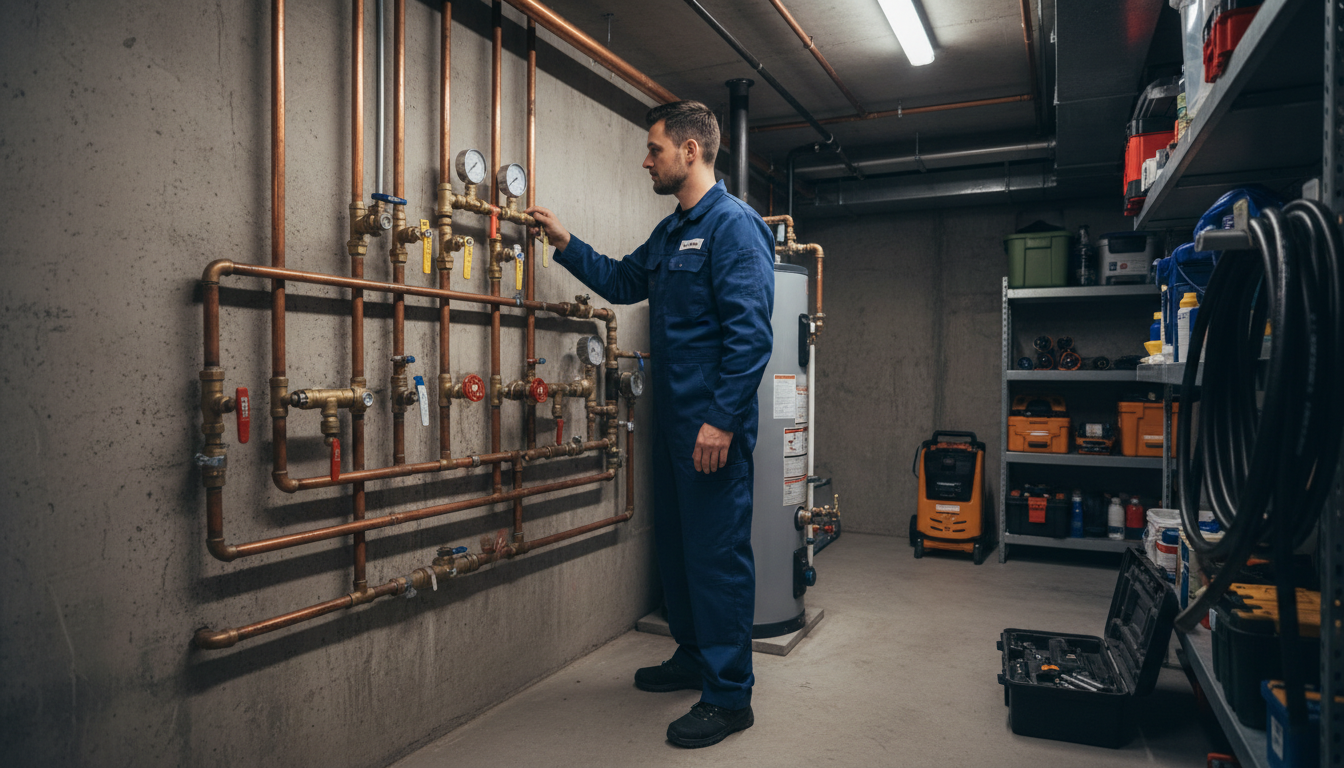
Regular backflow testing is crucial for several reasons:
- Health and Safety: It prevents contaminants from entering the drinking water supply, protecting public health.
- Legal Compliance: Many local regulations require annual testing of backflow prevention devices.
- System Efficiency: It ensures that the plumbing system is functioning as intended, preventing costly repairs in the future.
Failing to conduct regular testing can result in penalties, fines, or even water service interruptions.

How Often Should Backflow Testing Be Done?
The frequency of backflow testing can vary depending on local regulations, but most areas require testing once a year. It is recommended to check with your local water authority to understand the specific requirements for your region. Regular maintenance and testing ensure continuous protection and compliance.
What Happens if a Backflow Test Fails?
If a backflow prevention device fails the test, it means it's not effectively preventing potential contamination. In such cases, immediate action is required to repair or replace the faulty device. A certified technician can provide the necessary services to fix the issue and retest the system to ensure compliance.
Addressing failed tests promptly minimizes risks and ensures that your water supply remains safe and uncontaminated.
Conclusion
Backflow testing is a vital part of maintaining a safe and compliant water system. By understanding what the process involves and ensuring regular testing, you contribute to the health and safety of your community. For any concerns or to schedule a backflow test, contact a certified professional who can guide you through the process and ensure your system is in top condition.